

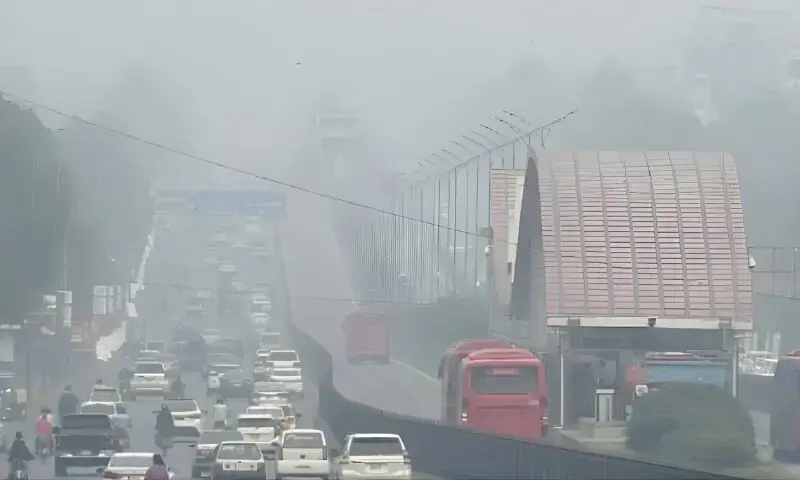

ISLAMABAD: The Ministry of Health issued a formal advisory on Sunday, cautioning Islamabad residents about an expected rise in air pollution as dry winter conditions intensify smog formation. Officials noted that the persistent lack of rainfall has created an environment conducive to hazardous airborne particles, posing heightened risks to public health.
Vulnerable Groups Face Higher Health Risks
According to the ministry, smog in the capital can quickly reach dangerous levels, particularly affecting children, the elderly, and individuals with chronic illnesses. These groups are more vulnerable to respiratory, cardiac, and eye-related complications when pollution levels spike. The advisory stresses that severe smog can aggravate existing medical conditions and trigger new health issues.
Precautionary Measures for Residents
Citizens have been urged to reduce unnecessary outdoor activity, keep doors and windows shut, and avoid areas with visible pollution. The ministry emphasized the importance of avoiding practices that contribute to smog, such as burning wood or waste. Those who must go outdoors have been advised to wear protective masks to limit exposure.
In cases of eye irritation caused by smog, residents should rinse their eyes with clean water. Individuals experiencing breathing difficulties, chest discomfort, or worsening symptoms have been directed to seek immediate medical assistance. Asthma and respiratory patients were specifically instructed to keep their medication readily accessible during this period.
Public Cooperation Essential to Reducing Smog
The advisory also encouraged citizens to increase water intake, which can help mitigate some health effects associated with smog. Authorities stressed that public cooperation is crucial in minimizing pollution sources and reducing the overall impact of deteriorating air quality in Islamabad.
