

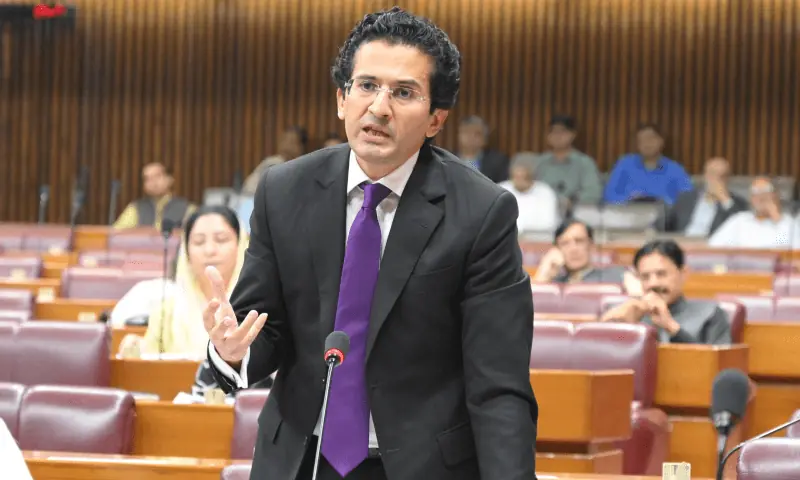

Pakistan will begin selling excess liquefied natural gas (LNG) in international markets from January 1, Petroleum Minister Ali Pervaiz Malik announced during a press conference in Lahore. The decision comes amid a recent gas supply glut that has caused significant financial losses to domestic producers.
Malik explained that Pakistan had been importing gas from Qatar and Italy’s energy company Eni. However, lower domestic demand for LNG in power generation led to an excess of the fuel, which had to be diverted to domestic consumers, contributing to a rising circular debt in the gas sector and cumulative losses of around Rs1,000 billion since 2018-19.
“From January 1, we will sell this excess fuel in international markets to reduce our burden and limit losses,” he said, noting that this measure would also allow state-owned enterprises in the sector to operate at full capacity and generate profits.
The minister highlighted that Pakistan had already taken steps to curb excess LNG imports, including canceling 21 cargoes under its long-term contract with Eni. Discussions with Qatar regarding rescheduling or reselling some cargoes are also underway.
Malik also outlined foreign investment plans in Pakistan’s petroleum sector. Turkish Petroleum, in collaboration with Pakistani companies, will engage in onshore and offshore exploration and open an Islamabad office employing 10 to 15 Turkish nationals. SOCAR, the State Oil Company of Azerbaijan Republic, will also set up operations in Pakistan and invest in an oil pipeline from Machike to Thalian with PSO and FWO.
In addition, private funding of $3.5 billion for the Reko Diq project has been finalized, with further investment exceeding $3.5 billion from local companies and Canada’s Barrick Gold.
The total $6–7 billion investment in the project’s first phase is expected to transform Chaghi, with the signing ceremony anticipated at the Prime Minister’s House within the next couple of months.
