

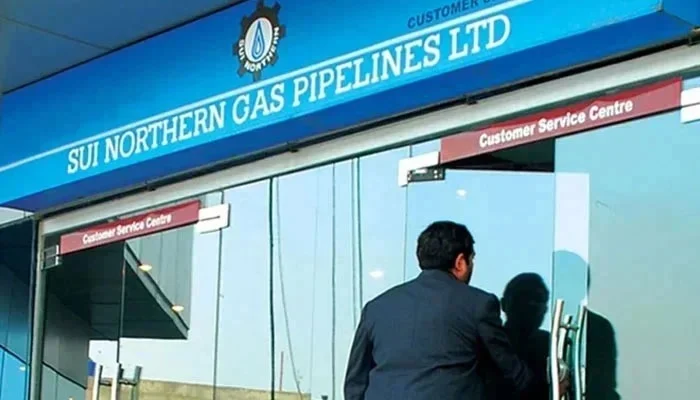

The Sui Northern Gas Pipelines Limited (SNGPL) has issued a new winter gas load-shedding schedule for consumers in Punjab and Khyber Pakhtunkhwa, covering the period from December to February. Households have been advised to plan meals, including breakfast, around the specified supply hours.
According to SNGPL officials, gas will be supplied in three daily time slots: 5:30am to 8:30am, 11:30am to 1:30pm, and 5:30pm to 8:30pm. Officials clarified that the industrial sector will not experience load-shedding.
While gas demand typically rises sharply in winter, authorities assured that the system has sufficient gas and there is no shortage. Consumers were urged to use gas judiciously, noting its high cost.
The announcement follows federal directives on winter gas management. On November 24, Petroleum Minister Ali Pervez Malik chaired a meeting to review seasonal gas supply measures, instructing utilities to ensure uninterrupted domestic gas availability.
During the meeting, the managing directors of SNGPL and Sui Southern Gas Company (SSGC) briefed the minister on nationwide gas availability and the rollout of RLNG domestic connections.
Minister Malik noted that domestic supply this year is “significantly better” than last winter, while SNGPL’s managing director confirmed that households receive gas from 5am to 10pm, including key mealtime hours.
The meeting prioritized public convenience, with participation from officials of the Petroleum Division, SNGPL, SSGC, and the Oil and Gas Regulatory Authority (OGRA).
Household gas supply has remained a major social and political concern in recent years. Pakistan holds only 0.4% of global gas reserves yet accounts for 1.1% of global consumption.
Gas distribution prioritizes households, which consume about 50% of the supply, followed by the fertilizer sector, independent power plants, and industrial and CNG sectors.
Last month, the federal government relaunched the process to provide Regasified Liquefied Natural Gas (RLNG) connections to households after a four-year suspension, which had forced many families to rely on costlier alternatives such as Liquefied Petroleum Gas (LPG) for cooking and heating.
