

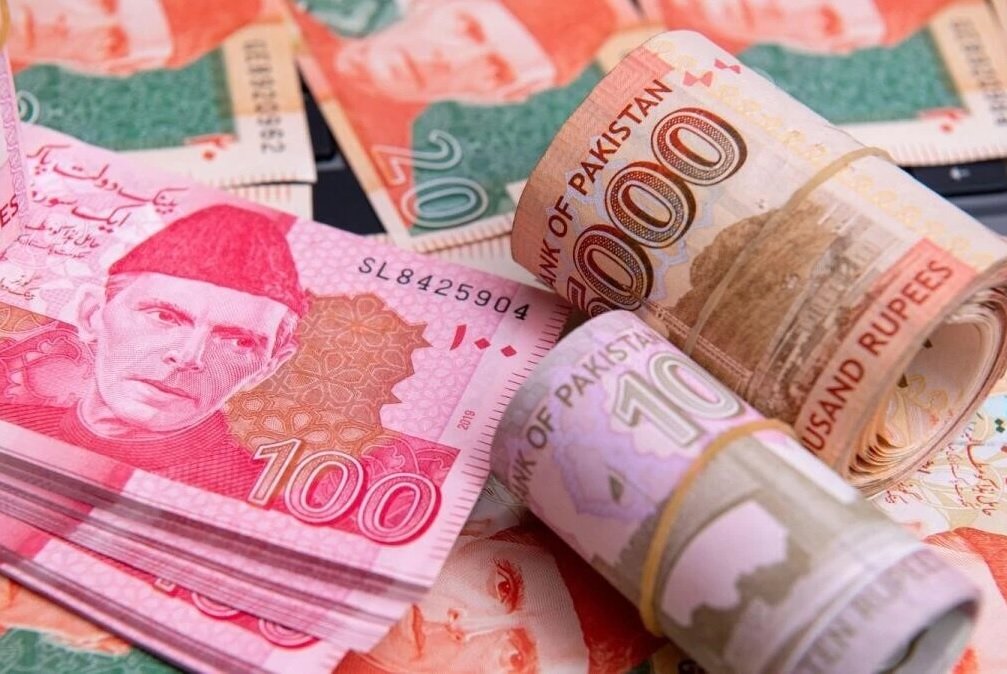

The Pakistani rupee is showing steady gains against the US dollar, and market expectations suggest it may break the Rs280 level by the end of this month. Dealers describe the appreciation as managed but consistent. Despite this, many experts doubt that the State Bank of Pakistan (SBP) will deliberately weaken the currency to boost exports, arguing that past devaluations failed to improve export volumes in any meaningful or sustained way.
Market Sentiment Drives Rupee Strength
Currency dealers say the current trend is largely sentiment-driven. According to interbank dealer Atif Ahmed, there is no strict calculation behind the projection that the rupee may slip below Rs280. Instead, the move is linked to year-end market behaviour. He believes the fall below Rs280, if it happens, will be short-lived.
Demand for the dollar is expected to remain stable. However, the recent $3 billion rollover from Saudi Arabia has boosted market confidence and helped support the rupee’s position. Analysts warn that too much rupee strength could harm export-based industries. Some experts argue that a mild depreciation, not appreciation, would offer a more balanced economic path.
The rupee has shown gradual appreciation throughout the current fiscal year. The trend became more visible after July 31, when the dollar reached its yearly peak at Rs284.27. By the end of last week, the dollar had eased to Rs280.42 in the interbank market.
Export Pressures and Devaluation Debate
Despite a stronger rupee, Pakistan’s export performance continues to weaken. Exports fell 15.4 percent in November, contributing to a trade deficit of $37.2 billion during the first five months of FY26. This widening gap is increasing pressure on the current account.
Speculation has circulated that the government may be pushed to devalue the rupee to aid exporters, but the market’s upward movement has countered such claims. Critics of devaluation recall how the rupee plunged from 180 to 300 per dollar within two years, yet no significant export surge followed. There was no major import reduction beyond SBP interventions and no real structural improvement.
Experts also highlight that the Real Effective Exchange Rate (REER) is often misunderstood. Some groups continue calling for devaluation by arguing that REER above 100 indicates an “overvalued” currency. Analysts, however, say this is an incomplete view of modern foreign exchange dynamics. The IMF has not considered REER as a key exchange-rate indicator since 2018, but political pressure from exporters persists.
