

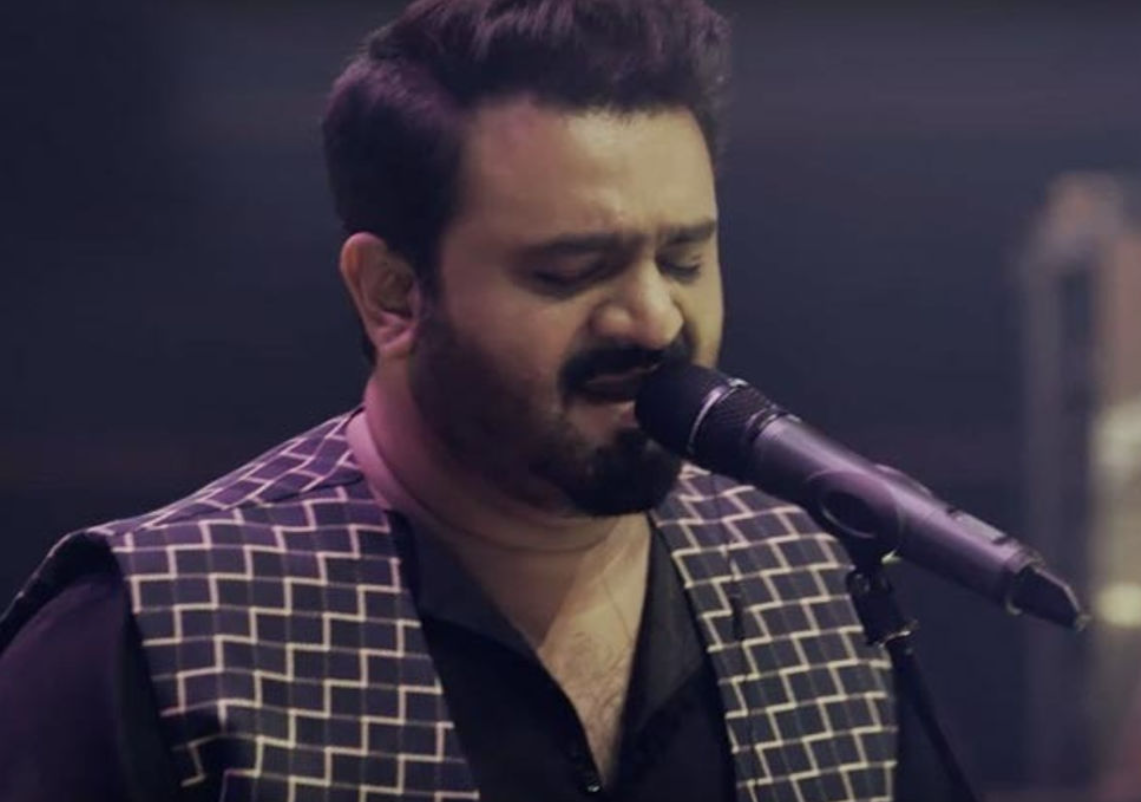

Renowned composer and singer Sahir Ali Bagga has sparked a fresh cultural debate with the release of his energetic new single Mastani. Although the song delivers his signature fusion of folk and modern styles, it also carries a deeper message. Bagga wants Pakistanis, especially at weddings, to embrace their own music rather than relying on Indian tracks.
His commitment to cultural revival shapes both the sound and visuals of Mastani. Because of this, the song has already attracted attention from fans of all ages. It also marks an important moment in Bagga’s long-running effort to bring Pakistani folk music back to mainstream celebrations.
A Song That Blends Tradition With Modern Energy
Mastani continues Bagga’s pattern of merging traditional musical roots with contemporary production. He believes this formula helps bridge the gap between generations. According to him, modern listeners connect with high-energy arrangements, while older audiences appreciate the familiarity of folk elements.
He explained that every commercial track he creates contains a folk layer. As a result, listeners across different age groups find shared ground through the mix. Because the cultural link remains strong, the song feels both refreshing and recognisably Pakistani.
Saima Noor’s First Music Video Appearance Adds Nostalgia
One of the most surprising choices in Mastani is the pairing of legendary film star Saima Noor with rising newcomer Saniya Iqbal. Because Saima Noor has never appeared in a music video before, her presence has generated excitement among fans.
Bagga said he wanted to experiment visually while protecting the cultural essence of the song. He added that placing two artists from different generations side by side strengthens the message of continuity between old and new. Therefore, the video reflects the same merging of eras that defines the track’s sound.
Reviving Pakistani Wedding Culture Through Music
For years, Bagga has spoken about the need for Pakistani weddings to reclaim their musical identity. He believes that event playlists often lose their local flavour due to the widespread use of Indian songs.
He emphasised that Pakistan should dance to its own music. Because cultural events shape national identity, he feels strongly that local songs must dominate wedding celebrations. His mission is to produce tracks that can stand confidently in place of foreign imports.
Bagga’s resolve comes from his belief that Pakistani folk remains unmatched in emotional depth. Consequently, he tries to create music that aligns with the rhythm, excitement and charm of local celebrations.
Technology Can Change Sound, But Not Cultural Identity
Bagga also discussed how new trends influence music. Although technology updates musical textures, he insists that cultural heritage remains eternal. He believes that no amount of digital influence can erase the essence of Punjabi or Urdu music.
According to him, Western-inspired phases appear occasionally but fade quickly. In contrast, culturally rooted music survives across generations. Because authentic sound carries emotional truth, it remains timeless.
He added that real music lasts only when it reflects heritage. Therefore, he continues to rely on folk foundations even when experimenting with modern elements.
Why Vocal Identity Matters in Modern Pakistani Music
Bagga also reflected on singing competitions and emerging artists. He stated that fast-paced songs or rap performances cannot reveal vocal skill. Classical training remains essential because it helps judges assess progress and control.
However, he believes Pakistan’s biggest challenge is the shortage of strong vocal identities. Many artists sing well, but few have a voice that stands out instantly. Because iconic voices define eras, he feels new musicians must develop a distinct tone.
He added that technical mastery is important, but genuine musical expression matters more than speed or complexity.
Trends Change, But Roots Always Pull Artists Back
While discussing shifting trends, Bagga mentioned how careers often return to cultural origins. He referenced early musical phases in Pakistan, noting that artists who experimented with Western-inspired genres eventually embraced local styles.
He cited the example of Fawad Khan’s early rap band. Although that trend faded, Khan later became known for work rooted in Pakistani entertainment. Bagga believes that even if musicians explore different genres, cultural music ultimately remains home.
Because roots carry emotional meaning, he believes artists naturally gravitate back to them over time.
Music That Speaks to Every Generation
For Bagga, creating multi-generational music is central to his artistic philosophy. He shared that his four-year-old son enjoys his songs, while listeners in their 90s also connect with them. This wide appeal inspires him to make music that belongs to the entire country.
He stressed that Pakistani folk carries a richness that transcends age. Therefore, his work aims to celebrate the culture that ties people together, regardless of trends or global influences.
A Cultural Mission Behind Every Beat
Sahir Ali Bagga’s latest release marks more than another addition to his discography. It reinforces his long-standing mission: to bring Pakistani music back into the country’s most cherished celebrations. Because weddings shape cultural expression, he wants them filled with local melodies, rhythms and identity.
Through Mastani, he continues his effort to blend nostalgia with innovation. The song invites listeners to reconnect with their roots while enjoying the energy of modern sound. As Bagga advocates for cultural preservation through music, he stands at the forefront of a movement urging Pakistan to celebrate its own voice.
