

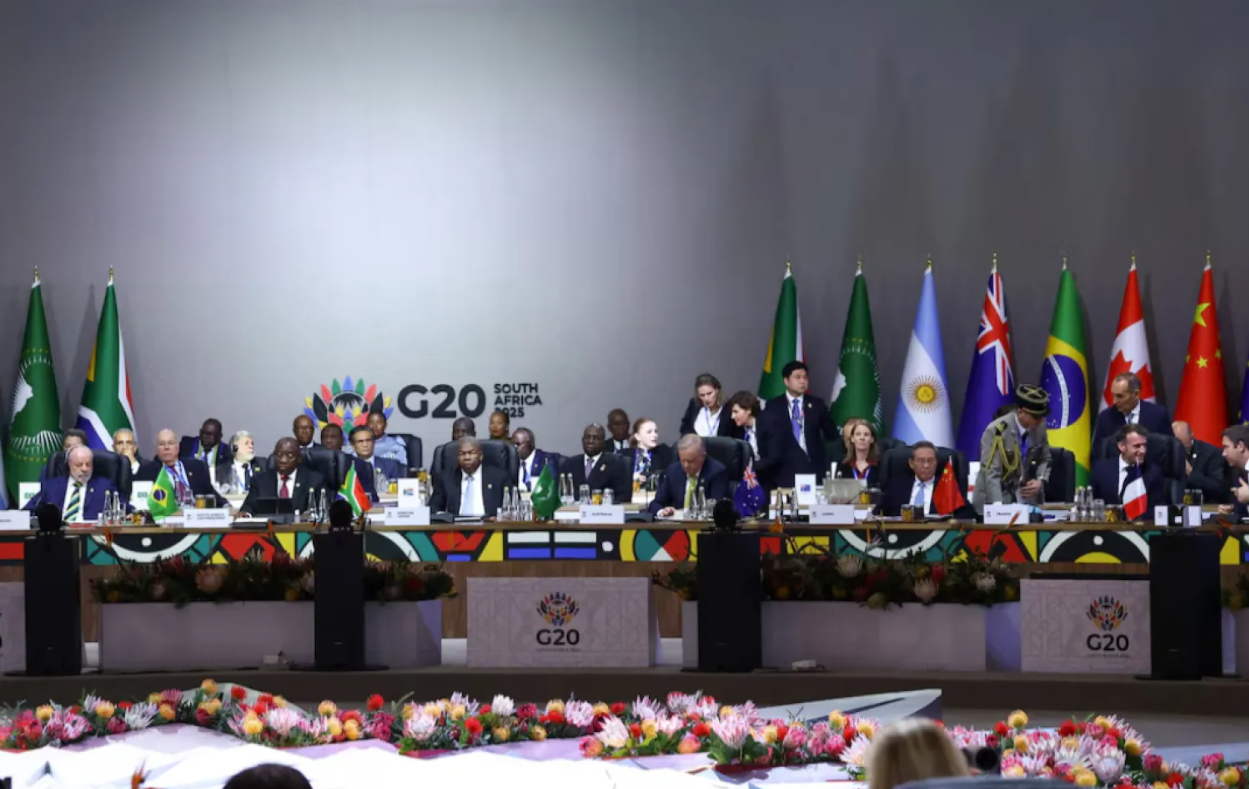

The recent G20 summit in South Africa ended with a major development as world leaders adopted a collective declaration without support from the United States. The move highlighted the growing friction between Washington and Pretoria, especially as diplomatic tensions escalated throughout the gathering. The decision to push ahead marked one of the most contentious moments in the group’s history, and it revealed broader disagreements shaping global politics.
South Africa confirmed that the declaration was final and would not be renegotiated. Officials stressed that they had worked throughout the year to reach this outcome. They also indicated that discussions intensified in the final days, adding pressure to an already charged environment. Despite these challenges, the host nation insisted the process reflected the will of the majority.
US Accuses South Africa of Politicising the Presidency
The White House sharply criticised South Africa’s approach. Officials argued that the host nation used its position to advance an agenda the US found unacceptable. According to them, South Africa did not ensure a smooth transition of the G20 presidency for the coming year. This added further strain to an already tense diplomatic exchange.
US officials also claimed that the declaration ignored American objections. They argued that South Africa’s stance undermined the G20’s founding principles. The US expects to take over the rotating presidency next year and aims to restore what it considers the group’s credibility. This statement underlined the scale of disagreement emerging between both countries.
South Africa Defends Process and Emphasises Global Consensus
South Africa rejected suggestions of misconduct. Officials stated that the declaration enjoyed broad backing from G20 members. They acknowledged some dissent but insisted the overall consensus was strong. They also highlighted their commitment to equal representation within the group. According to them, the G20 exists to reflect diverse perspectives and guide cooperation on global issues.
Even after the US boycott, South Africa maintained its position. It pointed to months of negotiations that shaped the final document. It also emphasised that attending members had the right to move forward, even if some partners disagreed. This reflected South Africa’s determination to keep the process on track despite external pressure.
Argentina Steps Back Moments Before Agreement
In an unexpected development, Argentina withdrew minutes before the adoption of the declaration. Officials said the decision came after concerns about the way the document addressed certain geopolitical topics. They specifically pointed to the reference to the Middle East, which they believed did not fully reflect the complexity of the situation. However, Argentina reaffirmed its dedication to cooperation within the G20.
South Africa proceeded despite Argentina’s last-minute withdrawal. Officials explained that the group had achieved what they considered “sufficient consensus.” They also praised Argentina’s earlier engagement in discussions, even though it declined to endorse the final text. This move demonstrated how internal disagreements shaped the final hours of the negotiations.
Geopolitical Context Heightens Tensions
The summit took place amid deep global divisions. Several major powers remain locked in disputes over the war in Ukraine and the future of climate commitments. These disagreements influenced the tone of the gathering. Climate policies and energy transitions remain especially contentious as countries navigate economic pressures and shifting alliances.
While several G20 members urged cooperation, others highlighted longstanding concerns. Some European leaders warned against the strategic use of economic dependencies. They argued that global stability requires mutual trust. These remarks appeared to reference issues such as mineral supply chains, technology access, and restrictions on key exports.
China Calls for Renewed Unity Within the G20
China’s leadership urged members to work together despite their differences. Officials said the world faces major challenges that require collective responses. They noted that gaps in global cooperation remain a major obstacle. According to them, the G20 must avoid division and return to a path focused on unity.
China’s message emphasised the need for inclusive dialogue. It also highlighted the importance of addressing economic issues impacting developing nations. This appeal aligned with South Africa’s agenda, which prioritised support for vulnerable countries facing climate disasters and heavy debt burdens.
Debate Over G20 Presidency Transfer Adds Further Strain
Another disagreement emerged during discussions about the handover of the G20 presidency. South Africa declined to pass leadership to a lower-ranking US diplomat. Officials argued that such a move violated established protocol. They reaffirmed that the presidency must be transferred at an appropriate diplomatic level.
Later, South African officials confirmed that they would assign a representative of equivalent rank. This ensured the transition would follow diplomatic norms, even amid heightened tensions. The issue added yet another layer of complexity to an already contentious summit.
Host Nation Stands Firm Despite Pressure
Throughout the summit, South Africa defended its role as host. Officials noted that every member nation holds equal standing within the G20. They argued that decisions must reflect the collective will rather than the interests of a single member. This position underscored South Africa’s vision for a more balanced global dialogue.
The summit ultimately demonstrated the shifting dynamics within global governance. As world powers continue to navigate competing interests, gatherings like the G20 reveal emerging alliances, widening divides, and the challenges of reaching consensus in turbulent times.
