

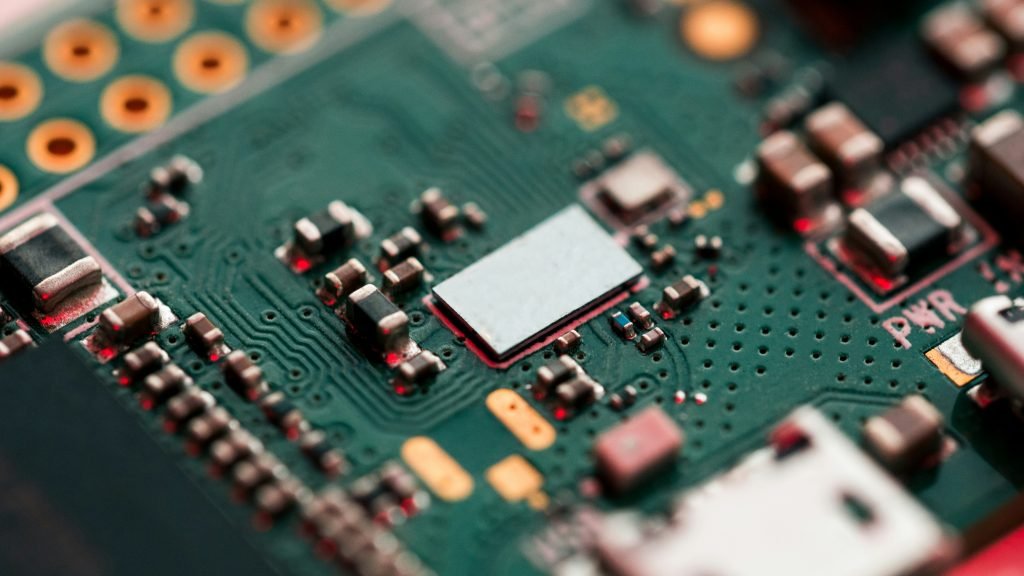

A worldwide surge in artificial intelligence investment is fueling a severe memory chip shortage, raising fears that consumers will pay more for smartphones, laptops, and other gadgets in 2026. Tech giants racing to expand the infrastructure behind tools like ChatGPT are consuming unprecedented volumes of DRAM and NAND chips, straining a supply chain that manufacturers deliberately keep tight to support pricing.
AI Data Centres Drive Soaring Demand
Xiaomi president Lu Weibing warned that pressure on memory supply next year will be “far greater than this year,” predicting widespread price increases across consumer electronics. Analysts agree: William Keating of Ingenuity consultancy says shortages will hit PCs, smartphones, and servers, with higher production costs inevitably passed on to buyers. Major suppliers — including Samsung, SK hynix, Micron, and SanDisk — are already benefiting from rising chip prices, and Samsung has announced a new semiconductor plant in South Korea to help meet demand.
Rising Prices and Reduced Device Output Expected
Market researchers at TrendForce report that the memory market has entered a strong upward pricing cycle, prompting manufacturers to raise retail prices and cut global production forecasts for smartphones and laptops in 2026. While cars may be less vulnerable due to lower memory usage, uncertainty remains. China’s top contract chipmaker SMIC says clients are hesitant to place orders amid concerns about future supply constraints. Experts say the crunch stems from unexpectedly high AI-driven demand and years of underinvestment in manufacturing expansion. According to Stephen Wu of Carthage Capital, consumers and businesses should expect higher prices, longer wait times, and tighter supply contracts well into early 2026.
