

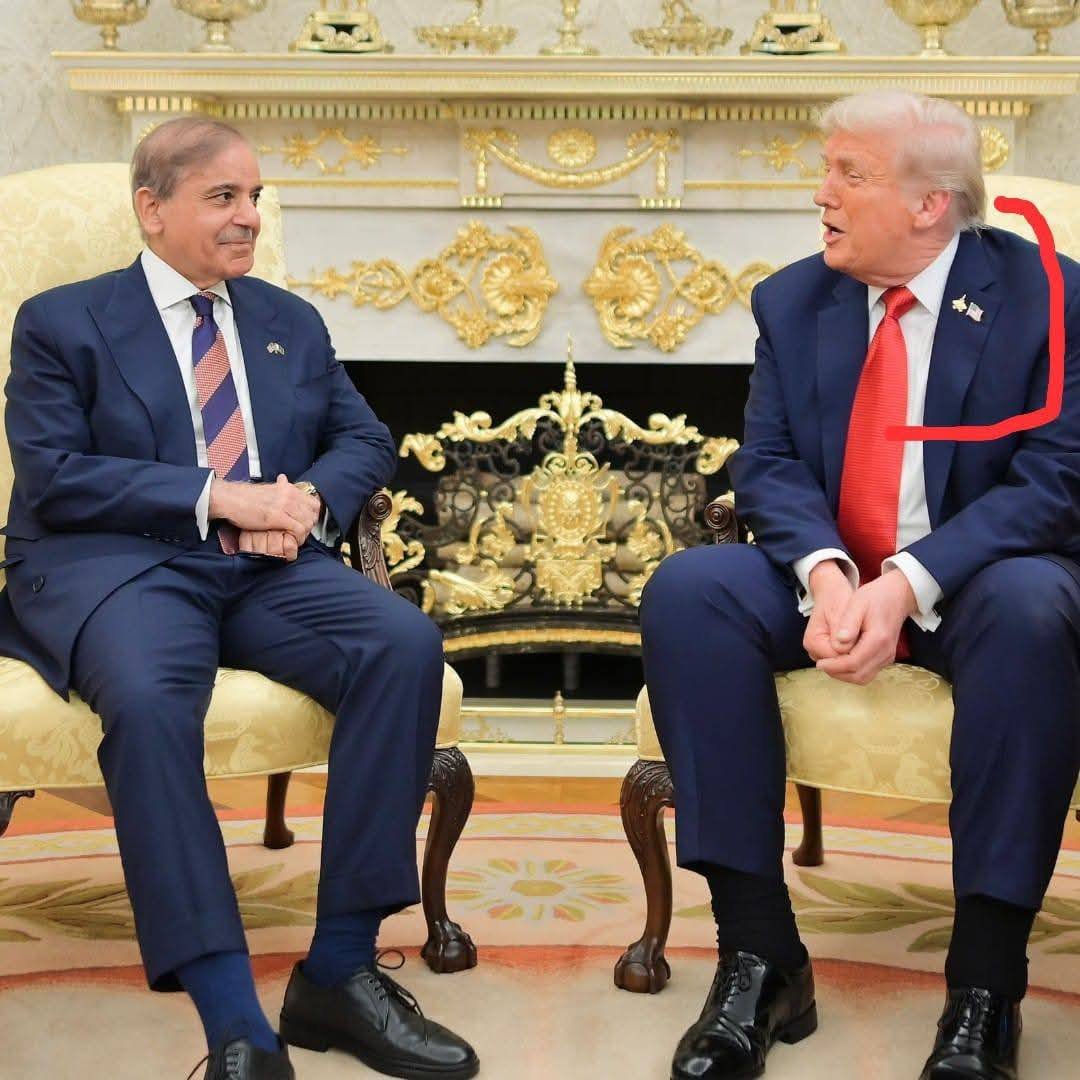

US President Donald Trump once again said he stopped a potential nuclear war between Pakistan and India that could have killed millions. Trump said he warned both governments about increasing US tariffs to 350% if war occurred again. Trump made these remarks during an address at the Future Investment Initiative forum. He stated that both countries stood on the brink of using nuclear weapons during the crisis.
Trump Warned Both Countries of Massive Tariffs
Trump said he warned both governments that the United States would impose massive economic tariffs if they escalated the situation. He mentioned a 350% tariff on each country. The US President said leaders in Islamabad and New Delhi initially resisted his warnings. However, he insisted that his firm stance forced them to reconsider their decisions.
Leaders in Islamabad and New Delhi Responded to Trump
Trump recalled receiving a phone call from Pakistan’s Prime Minister Shehbaz Sharif. He said the prime minister thanked him for preventing a disaster and claimed he “saved millions and millions of lives.” He also said Indian Prime Minister Narendra Modi contacted him later. According to Trump, Modi confirmed that war would be avoided.
Economic Pressure Central to Trump’s Strategy
Trump emphasized that he relied on economic and trade pressure rather than military action. He claimed that no other US president would have used the same method. He argued that this approach reduced tensions without risking American involvement in another international conflict.
Trump Says He Used Similar Tactics Globally
He said he resolved other major international disputes using similar tactics. According to Trump, five out of eight major conflicts were settled through economic leverage. He stressed that his strategy delivered results without deploying US forces.
Significance for Pakistan and South Asia
For Pakistan, Trump’s statements carry added weight because they reference direct US involvement in a major regional crisis. He presented himself as the decisive figure who prevented one of South Asia’s most dangerous confrontations. He continued to highlight economic tools and diplomacy as essential elements of his conflict prevention strategy.
