

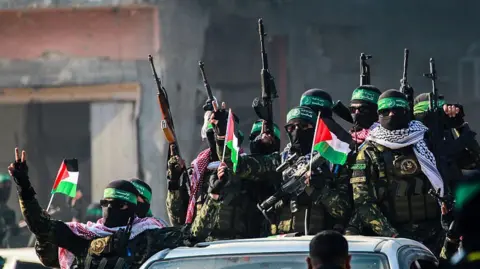

Hamas has officially rejected the United Nations Security Council’s approval of a US-drafted resolution endorsing President Donald Trump’s Gaza plan, arguing that it fails to uphold the rights and demands of the Palestinian people.
The militant group criticized the resolution for imposing what it described as an international trusteeship over Gaza, a measure opposed by both Palestinian authorities and resistance factions. According to Hamas, the plan undermines Palestinian sovereignty and threatens to legitimize foreign oversight in the territory.
The group specifically objected to the deployment of an international stabilization force within Gaza, warning that assigning it responsibilities such as disarming Palestinian resistance groups would compromise its neutrality.
“Assigning the international force with tasks and roles inside the Gaza Strip, including disarming the resistance, strips it of its neutrality, and turns it into a party to the conflict in favour of the occupation,” Hamas stated. By placing foreign forces in an active operational role, the organization argues, the resolution effectively sides with Israel and undermines Palestinian security and self-determination.
Hamas’ rejection highlights the broader controversy surrounding the Trump plan, which has already faced criticism from multiple Palestinian factions and certain international actors.
While Israel has expressed partial support, the resolution’s provisions regarding a transitional authority and potential pathways toward Palestinian self-determination have sparked resistance among groups who view these steps as undermining local control.
The UN resolution was intended to provide legitimacy for a transitional governance body in Gaza and authorize international involvement to ensure a ceasefire, facilitate reconstruction, and oversee economic recovery.
However, Hamas’ response underscores deep mistrust among Palestinian factions toward external intervention, particularly when it involves disarmament or oversight of local militias.
As negotiations and international discussions continue, the rejection by Hamas indicates significant hurdles in implementing the resolution on the ground. The group’s stance signals that any efforts to stabilize Gaza or enforce the US-backed plan will likely face strong opposition from armed factions and complicate the broader peace and reconstruction process in the enclave.
