

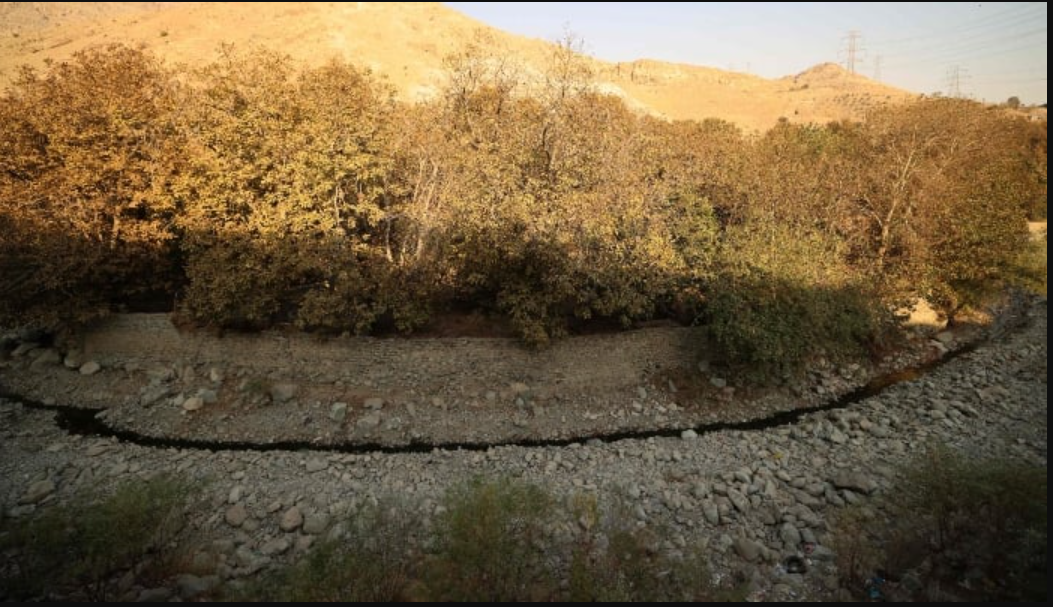

Iran has begun extensive cloud seeding operations as the country confronts one of its most severe droughts in decades. Officials confirmed that the first flight of the season focused on the Urmia Lake basin, an area that has suffered significant environmental damage because of prolonged dry conditions. The current water year began in September, and early indicators already show alarming rainfall deficits.
Urmia Lake, once the largest lake in Iran, has transformed into a vast salt plain due to years of shrinking water levels. Although seasonal changes have affected the lake in the past, the current situation is far more alarming. Therefore, authorities have expanded cloud seeding plans to address water shortages. Additional operations are expected in East and West Azerbaijan as part of broader efforts to induce artificial rainfall.
Cloud seeding involves dispersing compounds such as silver iodide or salt into clouds to stimulate precipitation. Iran recently developed domestic capability for this process and now relies on its own technological resources. Officials hope these operations will help replenish water bodies, ease pressure on reservoirs and reduce the immediate impact of drought.
Rainfall was recently observed in several western provinces, including Ilam, Kermanshah, Kurdistan and Lorestan. Some precipitation also fell in the northwestern areas of West Azerbaijan. However, these scattered showers remain far below what is required. The national meteorological organisation has reported an 89 percent drop in rainfall this year compared with long-term averages. Furthermore, it described the current autumn as the driest in fifty years.
Snowfall has also appeared on Tochal mountain near Tehran, which marks the first such event of the season. While this early snowfall offers some optimism, experts warn that isolated weather changes cannot replace sustained rainfall. Iran’s climate has become increasingly unpredictable, and long dry spells now occur more frequently.
Tehran faces critical water shortages as well. Local officials have noted that rainfall in the capital is at its lowest level in a century. Half of the country’s provinces have recorded no rain in recent months, worsening the strain on communities and agriculture. Reservoir levels supplying major cities have fallen to record lows, raising concern about the months ahead.
Earlier in November, the president warned that Tehran could face evacuation if winter arrives without meaningful rainfall. Although further details were not provided, the statement reflects the seriousness of the national water crisis. Long-term drought, rising temperatures and reduced precipitation are expected to intensify as climate change progresses.
Cloud seeding has been applied in other regional countries as well. The practice aims to support water availability in areas affected by climate extremes. While not a complete solution, it may offer temporary relief. Iran now hopes these operations will slow the decline of key water sources and buy time for broader environmental and infrastructural strategies.
As drought conditions persist, the success of cloud seeding will be closely monitored. The coming months will determine whether these interventions can ease the pressure on communities struggling with acute water scarcity.
