

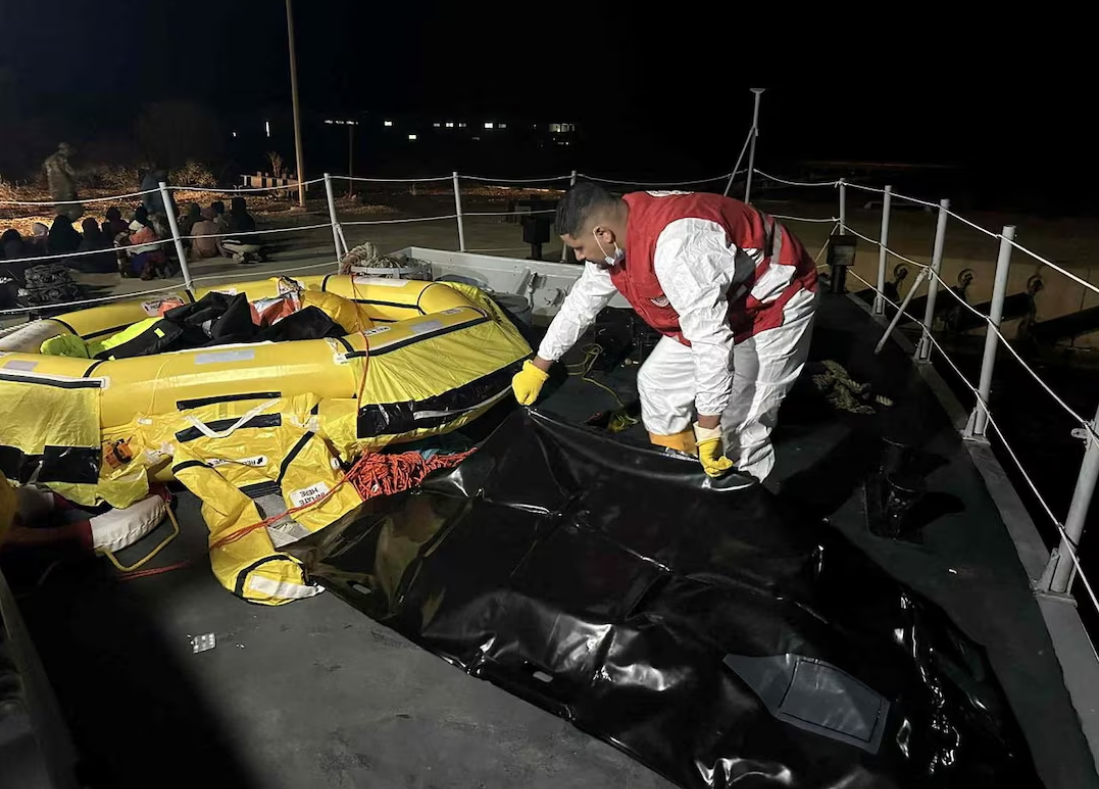

At least four migrants lost their lives after two overcrowded boats capsized off the Libyan coast near the city of Al Khums. The tragic incident occurred on Thursday and involved 95 people attempting the dangerous Mediterranean crossing. The disaster has once again highlighted the severe risks faced by migrants fleeing conflict and poverty.
The first vessel carried 26 migrants from Bangladesh. Four passengers died when the boat overturned near the shoreline. Rescuers found the bodies during the operation and moved survivors to safety. The second vessel had 69 migrants on board, including people from Egypt and Sudan. However, the exact outcome for these passengers has not been confirmed, which has raised further concern among humanitarian groups.
Al Khums lies about 118 kilometers east of Tripoli. The coastal region has witnessed repeated migrant incidents over the years. Moreover, the latest tragedies follow a series of deadly events recorded throughout the Mediterranean. On Wednesday, a rubber boat sank near the Al Buri oilfield. At least 42 migrants went missing and were presumed dead. Their vessel went down in offshore waters north-northwest of the Libyan coast.
Libya has remained a major transit point since the fall of its former government in 2011. Migrants fleeing instability across Africa and Asia continue to travel toward Europe. Because safer routes remain inaccessible, many people choose perilous sea journeys arranged by human smugglers. Consequently, hundreds lose their lives every year along the central Mediterranean route.
Images from the recent rescue operation showed bodies placed in black plastic bags on the floor. Volunteers were seen offering first aid to exhausted survivors. Further photos showed migrants wrapped in thermal blankets after being brought to safety. These scenes reflect the harsh reality faced by people attempting the crossing.
Coast Guard teams and port security personnel assisted in the operation. Authorities transported the recovered bodies based on instructions issued by local prosecutors. However, despite continued rescue efforts, the number of casualties remains high. Many vessels are unseaworthy, overloaded or poorly equipped. As a result, they often break apart in rough seas.
In mid-October, another grim discovery was made when 61 bodies were recovered from a coastal area west of Tripoli. Additionally, in September, a vessel carrying 75 Sudanese refugees caught fire near the Libyan coast. At least 50 people died in that incident. These recurring disasters demonstrate how unsafe the route has become.
Several countries recently urged Libya to close detention facilities where migrants have allegedly faced abuse. Rights groups claim that detainees have been tortured, mistreated and even killed. Although international pressure continues, conditions remain severe. Consequently, migrants still choose the sea route despite knowing the dangers.
The latest capsizing incidents reveal the growing need for coordinated action. Improved rescue systems, regulated migration channels and stronger monitoring may reduce deaths. Until meaningful change occurs, many more lives may be lost in the Mediterranean.
