

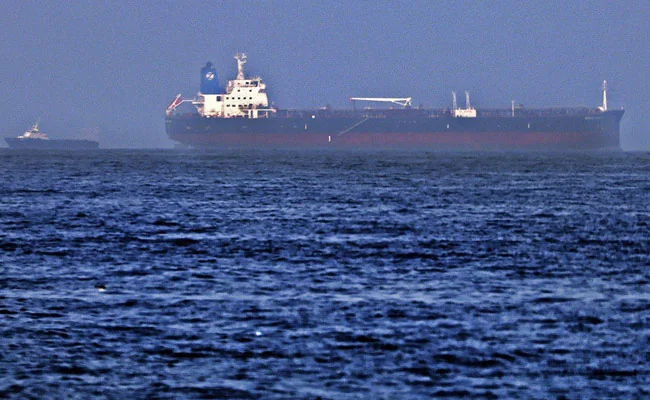

Iran’s Islamic Revolutionary Guard Corps (IRGC) confirmed the seizure of an oil tanker in the Gulf, after monitoring and intercepting its movement. The vessel, identified as the Talara and flagged under the Marshall Islands, was carrying 30,000 tonnes of petrochemical cargo. Authorities stated the cargo was unauthorized and violated legal regulations.
The IRGC’s naval rapid reaction units conducted the operation following a judicial order to seize the tanker’s cargo. The tanker had departed from Ajman in the United Arab Emirates (UAE) and was heading toward Singapore via the strategic Strait of Hormuz.
Tanker’s Route and Interception
Maritime security sources revealed that the tanker made a sudden course change when approached by three small IRGC boats. Officials emphasized that the interception aimed to enforce maritime law, highlighting that the tanker was transporting cargo without proper authorization.
The Gulf remains a critical corridor for global oil and liquefied natural gas shipments, and such incidents have historically heightened tensions in the region. Last year, the Revolutionary Guards similarly seized a container ship allegedly linked to Israel, following an attack on Iran’s consulate in Syria.
International Response and Maritime Security Concerns
The United States Navy reported that it was actively monitoring the situation. The US 5th Fleet stressed that commercial vessels generally have the right to unhindered navigation and trade on international waters. Nevertheless, these high-profile seizures underscore ongoing maritime security challenges in the Gulf.
Regional analysts suggest that the IRGC’s swift action sends a strong signal regarding Iran’s enforcement of shipping regulations. Additionally, the interception reflects ongoing geopolitical tensions, with the Strait of Hormuz remaining a sensitive and highly strategic maritime passage.
Significance of the Seizure
The Talara’s seizure emphasizes Iran’s vigilance over cargo and shipping routes near its coastline. With 30,000 tonnes of petrochemical products involved, the operation carries both economic and diplomatic implications. Shipping companies and international stakeholders are closely monitoring further developments, anticipating potential impacts on trade and regional security.
Iran’s IRGC statement reiterated that the operation adhered to judicial directives and legal procedures. Observers expect heightened scrutiny of tanker movements in the Gulf, particularly for vessels carrying sensitive or unauthorized cargo.
The interception of the Talara tanker highlights the strategic importance of the Strait of Hormuz and Iran’s proactive stance on maritime law enforcement. While tensions rise, global maritime trade continues to depend on safe and secure navigation through this vital waterway.
