

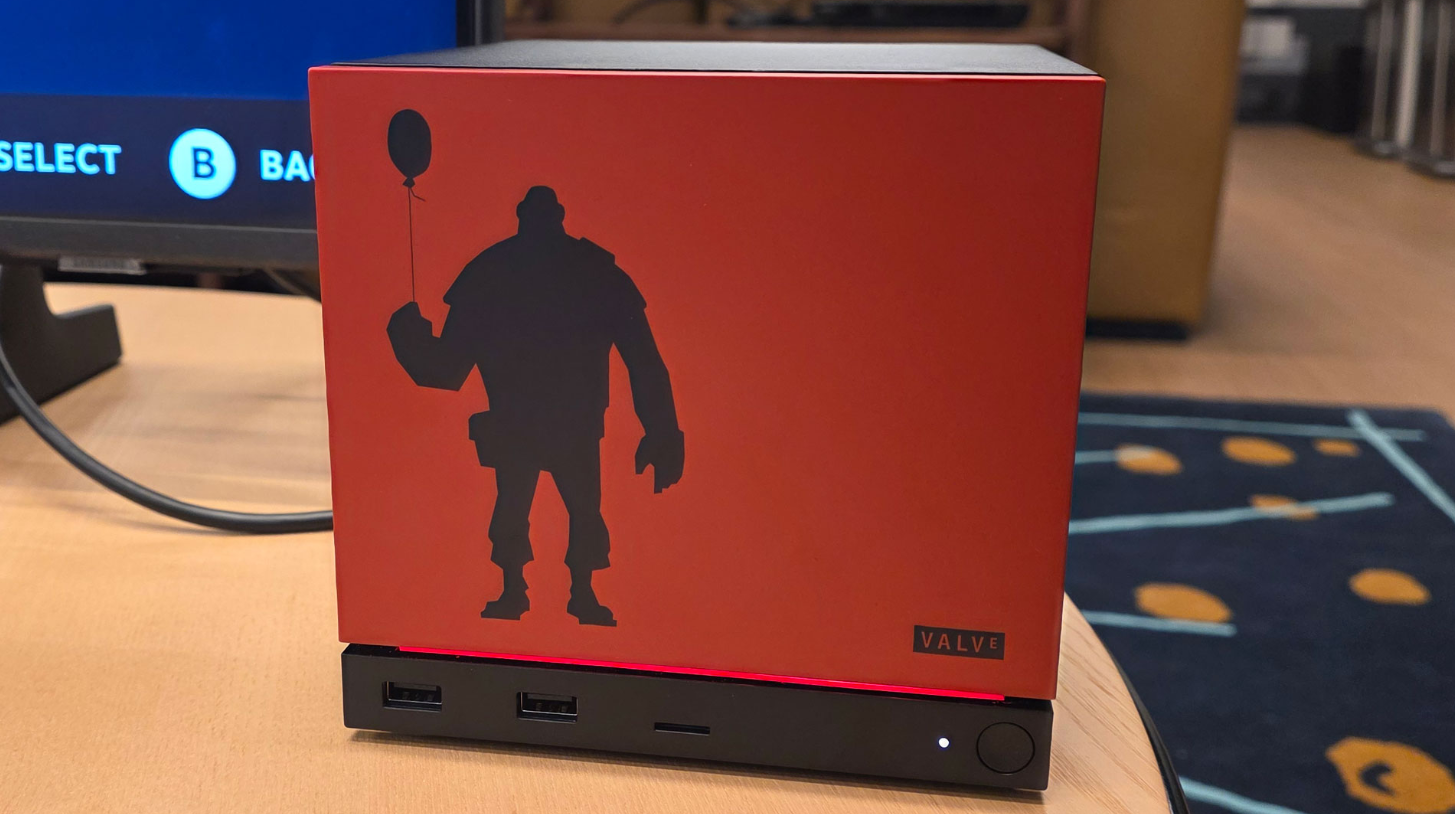

Valve, the company behind the Steam platform, has revealed a new gaming console designed to compete with Nintendo, Xbox, and PlayStation. The Steam Machine is a hybrid device that allows players to enjoy PC games on a television while also functioning as a computer.
This new console is a spiritual successor to Valve’s 2014 Steam Machine, which struggled to break into a market dominated by established gaming giants. The latest iteration promises improved hardware, enhanced performance, and a design tailored for living room gameplay.
Release Timeline and Pricing
The Steam Machine is scheduled to launch in early 2026, though exact pricing and availability details have not yet been disclosed. Valve plans to provide further information closer to the release date, including specifications and game compatibility.
Since the launch of Steam in 2003, Valve has grown its platform into the world’s largest PC gaming distribution service. Millions of players log into Steam daily, creating a strong base of potential customers for the new console.
Hardware and Performance Features
Valve describes the Steam Machine as “a powerful gaming PC in a small but mighty package.” It runs on Valve’s Linux-based SteamOS and uses AMD graphics processors. The console supports 4K resolution at 60 frames per second, providing high-quality gaming performance.
The system is optimized for gaming, with Valve verifying which Steam games will run on the device before purchase. The console also comes with a unique controller featuring two large trackpads at the bottom, acting as a computer mouse for enhanced gameplay control.
Virtual Reality Expansion
In addition to the Steam Machine, Valve has announced the Steam Frame VR headset, a fully wireless device designed for high-quality virtual reality streaming. The headset operates as a standalone PC and features a foveated rendering system that displays high-quality graphics only in the user’s focal area.
This VR device represents Valve’s ambition to expand beyond traditional gaming consoles and into the growing virtual reality market.
Market Position and Potential
Analysts suggest the Steam Machine will appeal primarily to existing Steam users who wish to play PC games in a living room setting. While its audience may be niche, it targets a lucrative segment of dedicated PC gamers.
With the global gaming industry increasingly embracing streaming and subscription services, Valve aims to position the Steam Machine as a versatile alternative to traditional consoles. Its hybrid design and focus on PC gaming give it a potential edge over competitors like Xbox and PlayStation.
Valve’s Steam Machine and Steam Frame VR headset signal the company’s commitment to redefining home gaming. By merging PC and console experiences, Valve targets both hardcore and casual gamers, promising high-performance gameplay and innovative virtual reality integration.
