

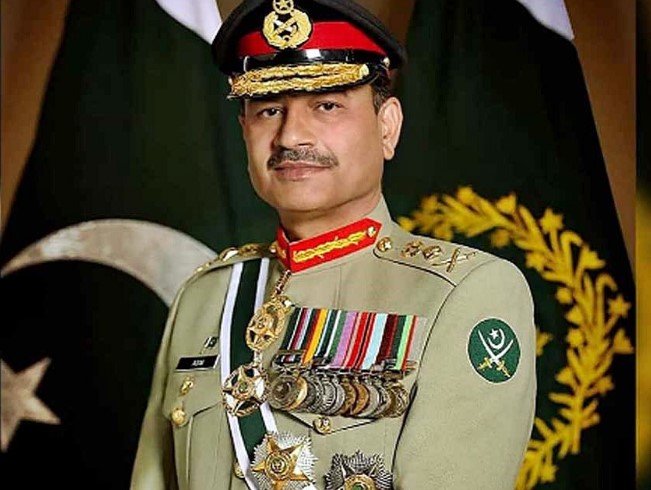

The National Assembly on Thursday approved the Pakistan Army (Amendment) Act 2025, a landmark legislation that appoints the Chief of Army Staff (COAS) as the Chief of Defence Forces (CDF) for a five-year term, effective November 27, 2025. This move abolishes the post of Chairman Joint Chiefs of Staff Committee on the same date.
Under the new law, a fresh notification will be issued to appoint the COAS as CDF, restarting the incumbent army chief’s tenure. The position will have authority to restructure and integrate all branches of the Pakistan Armed Forces, enhancing operational coherence.
Law Minister Azam Nazeer Tarar explained that the prime minister will appoint the CDF on cabinet recommendation, and the tenure will commence from the date of appointment.
The legislation also establishes the National Strategic Commander, responsible for the country’s strategic command, serving a three-year term extendable by another three years at the prime minister’s discretion. Appointments or extensions will not be challengeable in court, and general retirement laws will not apply.
The federal government will define powers for the COAS, CDF, and any vice or deputy chiefs, under a unified command system. The bill includes provisions for multi-domain integration, organizational restructuring, and clarifications regarding the rank of Field Marshal.
Amendments from Sections 8D to 8G align with the 27th Constitutional Amendment, ensuring reforms harmonize the operational structures of the Army, Navy, and Air Force.
Alongside the Army Act, the Pakistan Navy (Amendment) Bill 2025 and Pakistan Air Force (Amendment) Bill 2025 were also passed.
These amendments remove references to the Chairman Joint Chiefs of Staff Committee and update terminology to reflect the new command system. Sections 10D, 10E, and 10F were omitted, and the Navy and Air Force Acts were revised to incorporate multi-domain integration and unify command structures.
Officials say the reforms aim to create coherence across the three armed services, streamline command and decision-making, and ensure Pakistan’s defence leadership functions under a more unified and efficient system, marking a historic change in the country’s military command hierarchy.
