


Indian Syrup Scandal Highlights Hidden Risks
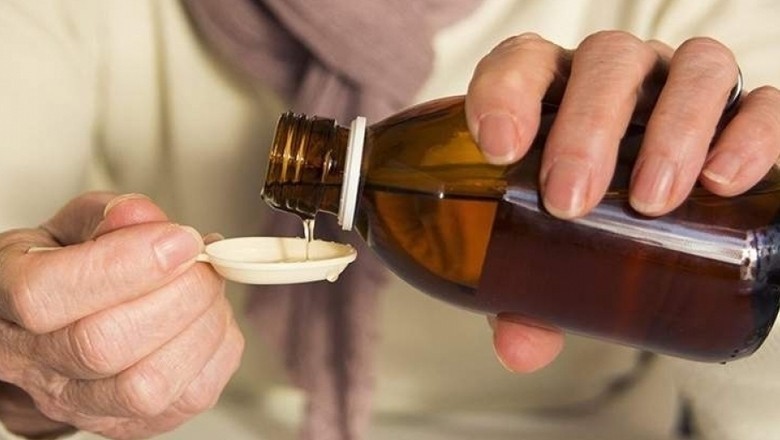
In early September, 23 children in Madhya Pradesh, India, died after consuming contaminated cough syrup. The syrup, laced with diethylene glycol (DEG) at 500 times the safe limit, caused kidney failure in children under six. Investigations revealed the manufacturer, Sresan, had sourced industrial-grade chemicals from paint suppliers instead of certified pharmaceutical vendors. With no qualified chemist supervising production, the syrup went untested and deadly.
This tragedy follows similar incidents: 70 children died in The Gambia in 2022, 18 in Uzbekistan, and 12 in Kashmir from tainted syrups. Arrests have been made, including the prescribing doctor and drug inspectors, while the manufacturer was recently caught. Experts warn Pakistan that weak regulation threatens doctors, pharma companies, and patients alike.
Pakistan’s Vulnerability to Syrup Contamination
In Pakistan, self-medication is widespread, especially with cough syrups, often called “sherbet”, seen as harmless remedies. Many families store bottles at home and use them freely, especially during the flu season. Dr. DS Akram, a senior pediatrician, notes that syrups don’t work for children under five, but parents continue giving them because they are readily available over the counter.
Studies reveal that 40% of Karachi doctors have accepted incentives to prescribe medicines from unverified pharmaceutical companies, including cough syrups and antibiotics. With flu season underway, hospitals report high numbers of respiratory infections among children, highlighting the risks of unregulated syrup use.
Regulatory Measures and Vigilance
Pakistan imports raw materials for syrups from India and China, making quality control critical. The Drug Regulatory Authority of Pakistan (DRAP) has stepped up oversight after the WHO issued global alerts about contaminated Indian syrups. DRAP mandates pre-testing of additives like glycerin and propylene glycol and is monitoring vendors, sampling raw materials, and testing finished products.
Since November 2023, DRAP has recalled 63 products contaminated with DEG and ethylene glycol, identified 44 impurities, and issued 13 alerts on unsafe raw materials. Training on Thin Layer Chromatography has helped pharma companies detect contamination early, improving safety standards nationwide.
Experts caution that Pakistan’s pharma industry, with 700–800 companies, remains partially unregulated, and self-medication culture makes the population vulnerable. The Indian tragedy serves as a wake-up call: unchecked syrups can be deadly, and strong regulation and awareness are the only ways to prevent similar disasters.
