

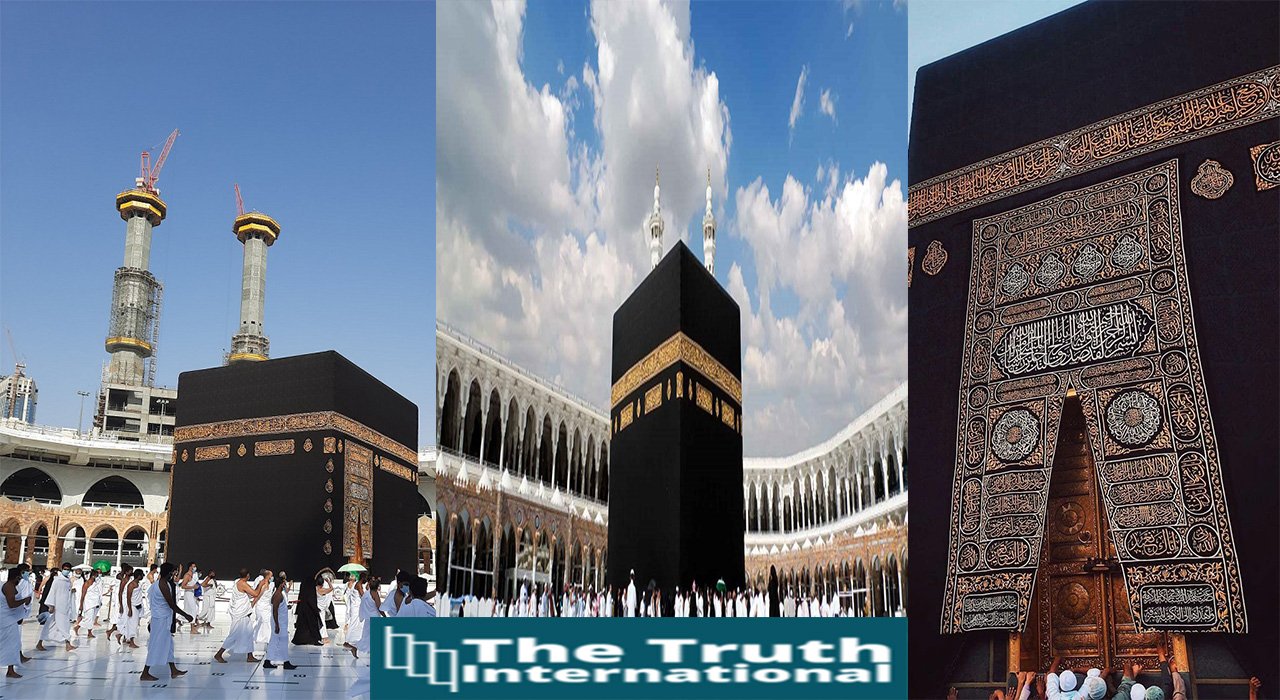

A formal agreement between Saudi Arabia and Pakistan has been concluded regarding arrangements and facilities for Hajj 2026. The accord has been signed in Jeddah by Saudi Deputy Minister of Hajj and Umrah, Dr. Abdulfattah Bin Sulaiman Mashat, and Pakistan’s Federal Secretary for Religious Affairs, Dr. Syed Atta-ur-Rehman.
High-Level Officials Attend Signing Ceremony
The signing ceremony has been attended by the Saudi Ambassador to Pakistan, Nawaf bin Saeed Al-Maliki; Director-General of Hajj, Jeddah, Abdul Wahab Soomro; and representatives of the Pakistan Hajj Organisers Association (HOPE). Their participation has been viewed as a reflection of the strong bilateral cooperation between the two nations in managing pilgrimage affairs.
Commitment to Facilitate Pilgrims Reaffirmed
Federal Secretary Dr. Syed Atta-ur-Rehman has expressed gratitude to the Saudi government for its hospitality and consistent support in providing facilities for pilgrims. He has expressed confidence that Pakistani pilgrims will continue to receive high-quality services during the upcoming Hajj season, as witnessed in previous years.
Pakistan’s Preparations and Coordination Emphasised
It has been stated that the Ministry of Religious Affairs remains committed to ensuring timely and efficient arrangements for both government and private Hajj schemes. Coordination with Saudi authorities will be maintained to guarantee smooth execution of all administrative, logistical, and welfare measures for Pakistani pilgrims.
Strengthened Bilateral Cooperation Highlighted
The agreement has been regarded as another milestone in the Pakistan–Saudi Arabia partnership in religious and administrative cooperation. Both governments have reaffirmed their shared objective of ensuring a safe, comfortable, and well-managed Hajj experience for all participants.
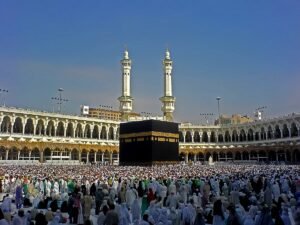
Meanwhile, the Saudi government has introduced strict health regulations for Hajj 2026, declaring that pilgrims with serious illnesses will not be allowed to participate.
Mandatory Medical Fitness Certificates
All pilgrims must obtain valid medical fitness certificates before traveling. Saudi authorities will verify these documents upon arrival to ensure authenticity.
According to Pakistan’s Ministry of Religious Affairs, monitoring teams in Saudi Arabia will cross-check certificates to confirm their validity. Any pilgrim found ill despite possessing a certificate may face deportation, with travel costs paid by the individual.
Diseases Prohibited for Hajj Pilgrims
The ban applies to those suffering from major medical conditions, including:
-
Cancer
-
Heart, kidney, and liver diseases
-
Lung ailments
-
Epilepsy
-
Mental health disorders and weak memory
-
Pregnancy
-
Infectious diseases such as tuberculosis, whooping cough, and viral hemorrhagic fevers
