

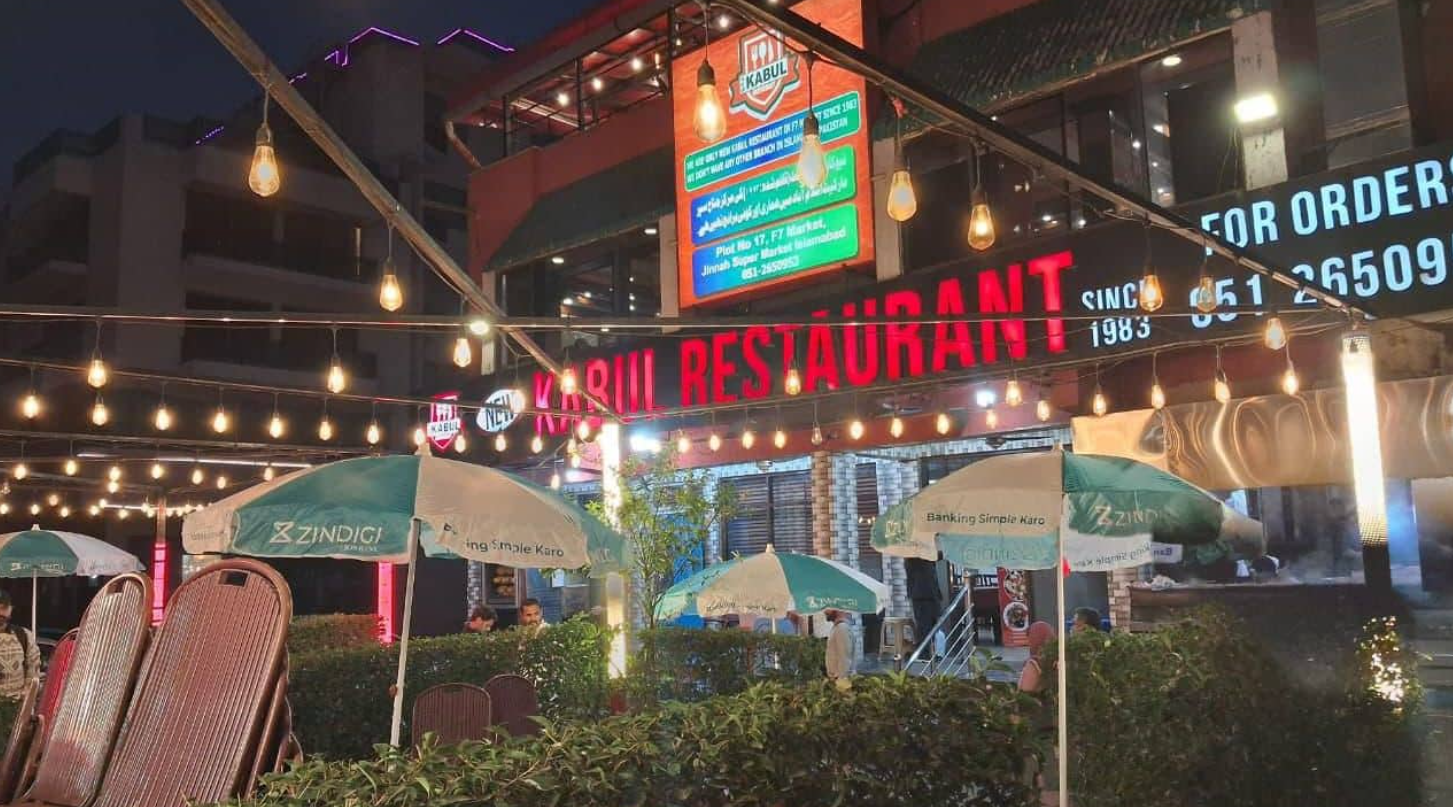

Islamabad’s renowned Kabul Restaurant, a long-standing culinary favorite in F-7, became the center of public attention after authorities sealed its open-air dining area. The move came in response to the restaurant’s failure to comply with the city’s newly implemented cashless payment regulations under the Digital Pakistan initiative.
The incident began when a citizen’s social media post went viral, criticizing the restaurant for refusing digital payments and suggesting potential tax evasion. The post quickly spread, triggering a wave of public debate on digital compliance and transparency in the hospitality sector.
CDA Enforces Cashless Compliance in the Capital
Taking swift action, the Capital Development Authority (CDA) revoked Kabul Restaurant’s approval for its outdoor dining area. Officials cited clear non-compliance with Islamabad’s cashless policy, introduced to support digital governance and transparent financial transactions.
This decisive enforcement demonstrated the government’s commitment to ensuring that all businesses adopt digital payment systems. It also highlighted Islamabad’s growing alignment with Pakistan’s nationwide drive toward a cashless economy.
Zindigi Steps In to Digitize Kabul Restaurant
In a remarkable display of public–private cooperation, Zindigi, powered by JS Bank, immediately stepped forward to resolve the issue. Within minutes, Zindigi onboarded Kabul Restaurant digitally through its Raast P2M QR payment solution.
This quick action enabled customers to make secure, instant, and cashless transactions, turning a compliance challenge into a moment of progress. By integrating Zindigi’s digital payment technology, the restaurant was able to resume operations in line with the city’s regulations.
Zindigi’s intervention reinforced its role as a key player in Islamabad’s digital transformation journey. Having already enabled Pakistan’s first cashless market in H-9 Bazaar, Zindigi continues to demonstrate leadership in promoting accessible and transparent financial ecosystems.
Strengthening Pakistan’s Cashless Vision
The rapid response to Kabul Restaurant’s case showcased how collaboration between government agencies and the private sector can deliver immediate, effective results. Through such partnerships, Pakistan is accelerating toward a digitally inclusive economy, where convenience, transparency, and innovation drive sustainable growth.
Zindigi’s continued efforts align perfectly with the Cashless Islamabad vision, aiming to modernize financial systems while enhancing user experience for citizens and businesses alike.
The company’s proactive approach reflects how digital payment solutions can strengthen public trust, simplify commerce, and foster accountability. Each new integration brings Pakistan a step closer to realizing its digital economy goals.
Public Reaction Praises Quick Coordination
Citizens widely appreciated the quick and coordinated action by Islamabad’s administration and Zindigi. Social media users praised both the efficient governance and the private sector’s ability to respond rapidly.
Zindigi’s digital onboarding of Kabul Restaurant became a symbol of how challenges can be transformed into opportunities for innovation. The move also inspired other businesses to adopt digital payment systems, recognizing the long-term benefits of going cashless.
The digital transformation of Kabul Restaurant marks a defining moment in Islamabad’s move toward a cashless economy. By acting swiftly and collaboratively, Zindigi and the city’s administration demonstrated how effective partnerships can accelerate technological adoption and economic transparency.
From a temporary setback to a success story, the Kabul Restaurant episode embodies Pakistan’s transition toward digital modernization — one cashless transaction at a time.
