

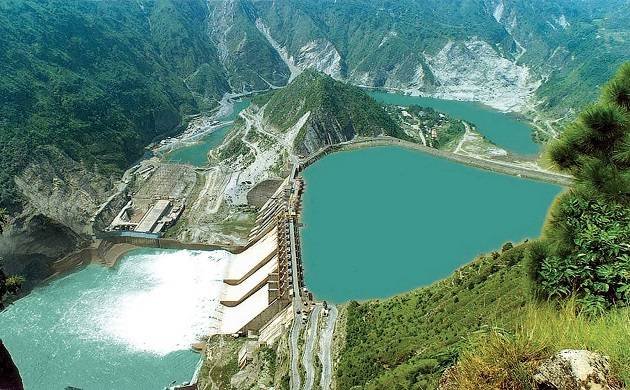

The Azad Pattan Hydropower Project is a key milestone in Pakistan’s journey to enhance renewable energy and reduce electricity shortages. Located on the Jhelum River in Azad Kashmir, this project is designed to generate 690 MW of clean and sustainable electricity.
Its strategic location ensures an effective balance between energy production and environmental preservation, making it a vital part of the country’s hydropower initiatives.
This hydropower project is built using a run-of-the-river design, which minimizes the need for large reservoirs and reduces the environmental impact on local communities.
By utilizing the river’s natural flow, the project delivers consistent electricity supply without major ecological disruption.
It also contributes significantly to Pakistan’s efforts to decrease reliance on fossil fuels and lower carbon emissions, aligning with global climate goals.
The Azad Pattan Hydropower Project is expected to play a pivotal role in supporting Pakistan’s energy infrastructure. It not only strengthens the national grid but also improves electricity reliability for both domestic and industrial consumers. Moreover, the project promotes local employment opportunities during construction and operational phases, stimulating economic growth in Azad Kashmir.
In addition to energy production, the project includes modern safety measures, fish-friendly turbines, and effective water management systems. This ensures sustainable operation while protecting the surrounding ecosystem. Once fully operational, the project will significantly reduce energy deficits, support economic development, and reinforce Pakistan’s position as a growing hub for renewable energy projects.
FAQs about Azad Pattan Hydropower Project
Q1: What is the capacity of the Azad Pattan Hydropower Project?
A1: The project has a total generation capacity of 690 MW, enough to power thousands of homes and industries.
Q2: Where is the Azad Pattan Hydropower Project located?
A2: It is located on the Jhelum River in Azad Kashmir, strategically positioned to maximize energy production.
Q3: When will the project be fully operational?
A3: The project is currently under advanced construction, with operations expected to begin in the next few years.
Q4: How does the project impact the environment?
A4: Using a run-of-the-river design, it minimizes environmental disruption, protects local wildlife, and incorporates fish-friendly turbines.
Q5: How does this project benefit Pakistan’s economy?
A5: It provides renewable energy, reduces electricity shortages, creates jobs, and supports industrial and domestic power needs.
The Azad Pattan Hydropower Project represents a major step toward a sustainable, energy-secure Pakistan. By leveraging renewable resources, it promises reliable electricity, environmental protection, and economic growth, ensuring a brighter future for the nation.
