

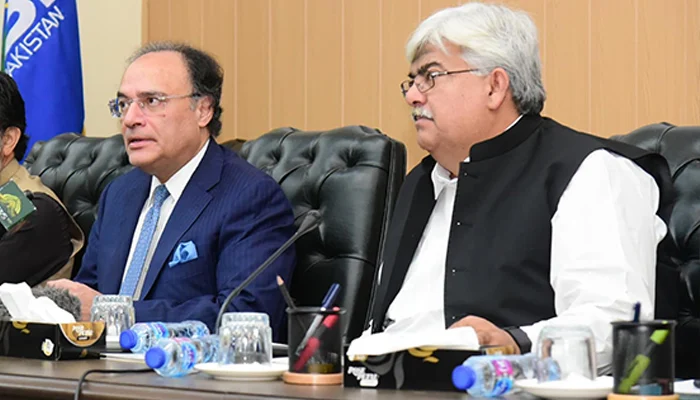

ISLAMABAD: Finance Minister Muhammad Aurangzeb announced on Monday that Pakistan is implementing wide-ranging reforms in tax, energy, and pension systems. These measures aim to shift the country from short-term policies to sustainable, structural growth.
Speaking in Islamabad alongside FBR Chairman Rashid Mahmood Langrial, Energy Minister Owais Leghari, and IT Minister Shaza Fatima, Aurangzeb said the reform agenda seeks to consolidate recent economic gains. He added that Pakistan has achieved macroeconomic stability and must now focus on long-term sustainability.
He emphasized that international credit rating agencies have acknowledged Pakistan’s improving outlook. The recent IMF staff-level agreement, he said, also reflects growing confidence in the economy. According to Aurangzeb, the government is restructuring institutions to enhance efficiency and ensure fiscal discipline.
FBR Reports Higher Tax Compliance and Revenue Growth
FBR Chairman Rashid Mahmood Langrial revealed that tax compliance and collection have risen sharply this year. Income tax returns increased by 18 percent, reaching 5.9 million filers. He said the FBR has raised the tax-to-GDP ratio by 1.5 percent for the first time.
Langrial clarified that the FBR does not plan to impose new taxes, as compliance is already improving. The government’s goal is to raise the tax-to-GDP ratio to 18 percent within four years, supported by provincial cooperation.
He also acknowledged risks faced by enforcement teams, noting two officials were martyred in Kohat during operations. Enhanced coordination with Rangers has strengthened safety for field officers.
Energy Sector to Undergo Biggest Reform in 20 Years
Energy Minister Owais Leghari announced that the government will exit the power purchasing business, calling it a “historic shift.” He said electricity costs fell by Rs10.5 per unit in 18 months, with further relief for industries and electric vehicles.
Leghari stated that Rs48 billion was saved through auctions of inefficient plants. He added that a plan is in place to eliminate Rs1.2 trillion in circular debt within six years, without burdening consumers.
