

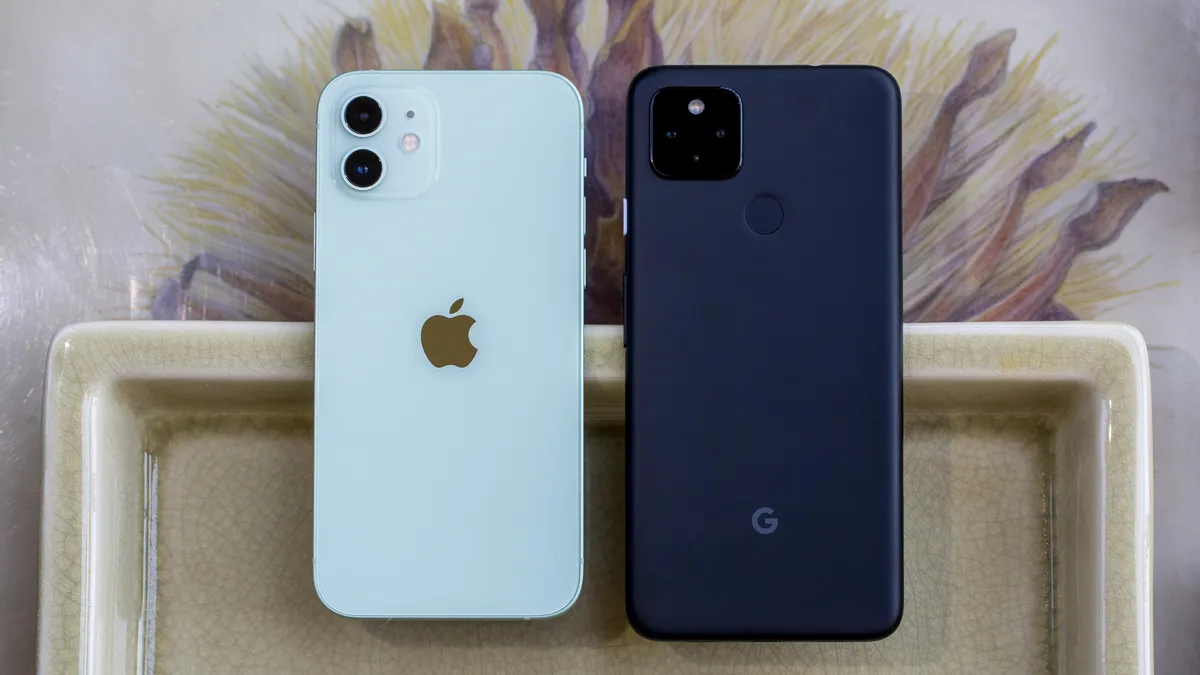

Android devices have emerged as the stronger safeguard against mobile scams, outperforming Apple’s iPhones despite the latter’s reputation for airtight security, according to a new YouGov study conducted in partnership with Google.
The survey, which polled 5,000 smartphone users across the United States, India, and Brazil, found that iPhone owners were 65% more likely than Android users to receive three or more scam messages in a single week. Meanwhile, 58% of Android users said they received no scam texts at all during that same period.
When asked about their phone’s scam protection tools, Android users were 20% more likely than iPhone users to describe them as “very effective” or “extremely effective.” The divide was even more pronounced among Google Pixel owners, who were 96% more likely than iPhone users to say they received no scam messages whatsoever.
Conversely, iPhone users were 136% more likely than Pixel users to report receiving multiple scam messages and 150% more likely to say their phones provided little to no protection against mobile fraud.
The study also evaluated four flagship smartphones — Google Pixel 10 Pro, iPhone 17 Pro, Samsung Galaxy Z Fold7, and Motorola Razr+ 2025 — ranking the iPhone last in both the number and effectiveness of its built-in anti-scam features.
Researchers attributed Android’s advantage to its AI-powered call and message screening tools, particularly on Pixel devices. Google Messages can identify suspicious texts and block fraudulent links, while the Phone app filters spam calls and uses on-device AI to detect shady conversations in real time.
In certain regions, the Call Screen feature even answers calls on behalf of users, filtering out potential scams before they connect. If a risky call does go through, Android can still issue warnings, blocking malicious links or preventing unsafe actions like installing unverified apps.
