

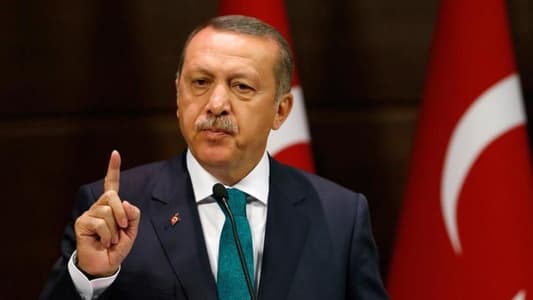

Turkish President Tayyip Erdogan criticized Germany’s position on Israel’s actions in Gaza during a joint press conference with German Chancellor Friedrich Merz in Ankara. The exchange revealed deep differences between the two NATO allies over the ongoing war in Gaza and its humanitarian consequences.
Erdogan accused Germany of ignoring what he described as “genocide” in Gaza. He questioned Berlin’s continued support for Israel despite growing evidence of civilian suffering. “Israel has bombs, missiles, and nuclear capabilities and continues to strike Gaza,” Erdogan said. “Do you, as Germany, not see these? Do you not follow these events? Israel has sought to suppress Gaza through famine and genocide.”
A Sharp Divide Over Gaza’s Reality
The disagreement became clear as Merz reaffirmed his government’s support for Israel’s right to self-defence following the October 7, 2023, Hamas attacks. “It would have taken only one decision to prevent countless casualties — Hamas should have released the hostages and laid down its arms,” Merz stated.
He emphasized that Germany supports a lasting peace and welcomed the US-brokered and Turkey-backed ceasefire, expressing hope that it will finally bring an end to the conflict.
However, Erdogan rejected the framing of Israel’s actions as self-defence, asserting that the scale of destruction and civilian loss went far beyond military objectives. His remarks underscored Turkey’s role as one of the most outspoken critics of Israel’s offensive and a key advocate for humanitarian access to Gaza.
Calls for Accountability and Humanitarian Relief
Erdogan pointed to famine, siege, and large-scale destruction as evidence of deliberate suppression. He reiterated his call for global accountability, insisting that the international community must recognize the human cost of the ongoing crisis.
Despite their differences, Erdogan stressed that cooperation between Germany and Turkey remained essential. He proposed joint efforts to deliver aid and combat famine in Gaza. He also urged both countries to strengthen collaboration in defence industries, transportation, and migration management.
Germany’s Balancing Act
While Merz maintained Germany’s historical commitment to Israel’s security, he also acknowledged concerns over Gaza’s humanitarian crisis. His government recently suspended military exports to Israel, citing worsening conditions on the ground.
Still, Merz resisted labelling Israel’s actions as genocide, warning that criticism of Israel must not turn into antisemitism. His approach reflects Germany’s ongoing struggle to balance its moral responsibilities, historical memory, and international diplomacy.
Erdogan’s Broader Vision
Beyond Gaza, Erdogan reiterated Turkey’s ambition to join the European Union, stressing that cooperation between Ankara and the EU could strengthen regional stability. Merz, in response, described Turkey as a close partner and expressed interest in enhancing economic ties, particularly in energy, transport, and migration sectors.
A Clash of Narratives
The Ankara meeting showcased the contrasting worldviews of two key NATO members. For Erdogan, the Gaza crisis represents a moral test for the global community. For Merz, it highlights the delicate balance between supporting Israel’s security and addressing Palestinian suffering.
As both leaders reaffirmed their diplomatic ties, their sharp disagreement over Gaza’s reality reflected the growing global divide on how the conflict should be understood, and who should be held accountable.
