

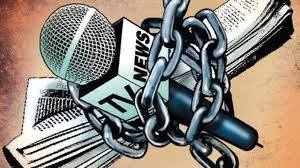

Pakistan’s media landscape has deteriorated sharply, with a nearly 60% increase in violations against journalists and media outlets over the past year, according to the Annual Impunity Report 2025 released by Freedom Network. The report, published with support from International Media Support (IMS) ahead of the International Day to End Impunity for Crimes against Journalists on November 2, 2025, paints a troubling picture of press freedom under the current government.
The findings reveal a growing climate of fear and repression, with 142 documented violations against journalists and media professionals—ranging from physical attacks and harassment to arbitrary arrests and legal intimidation. The report attributes the surge to the tightened control on media following the February 2024 general elections, which has left “almost every region in Pakistan unsafe for journalism.”
Crackdown Through Legal Cases and Restrictive Laws
The report highlights a significant rise in the use of legal instruments to stifle media freedom. During the first year of the Shehbaz Sharif-led federal government, at least 36 legal cases were filed against 30 journalists under the Prevention of Electronic Crimes Act (PECA) and the Pakistan Penal Code (PPC).
Of these, 22 cases were registered under PECA, a controversial law that was amended in early 2025 to introduce harsher penalties for journalists. Another 14 cases were pursued under the PPC, with most of these prosecutions taking place in Punjab, which, along with Islamabad, emerged as the most dangerous region for journalists—each accounting for 28% of total violations.
Freedom Network’s Executive Director Iqbal Khattak condemned the growing use of legal frameworks to target dissenting voices, stating, “The federal government is now excessively using laws to suppress free expression. Pakistan cannot afford to silence critical media, which is essential in any democracy.”
Television Most Targeted; Media Under Pressure Nationwide
According to the report titled “Impunity Report – 2025: Crime and Punishment in Pakistan’s Journalism World,” television journalists were the most targeted, followed by those in print and digital media, while one radio journalist was also affected. The study covers the period from November 2024 to September 2025, documenting incidents across Punjab, Islamabad, Khyber Pakhtunkhwa, Sindh, Balochistan, and Azad Jammu and Kashmir. No cases were reported from Gilgit-Baltistan.
The sharp rise in violations underscores the shrinking space for free expression and independent journalism in Pakistan, with the report warning that continued impunity for crimes against journalists will further undermine the country’s democratic institutions and public trust in the media.
