

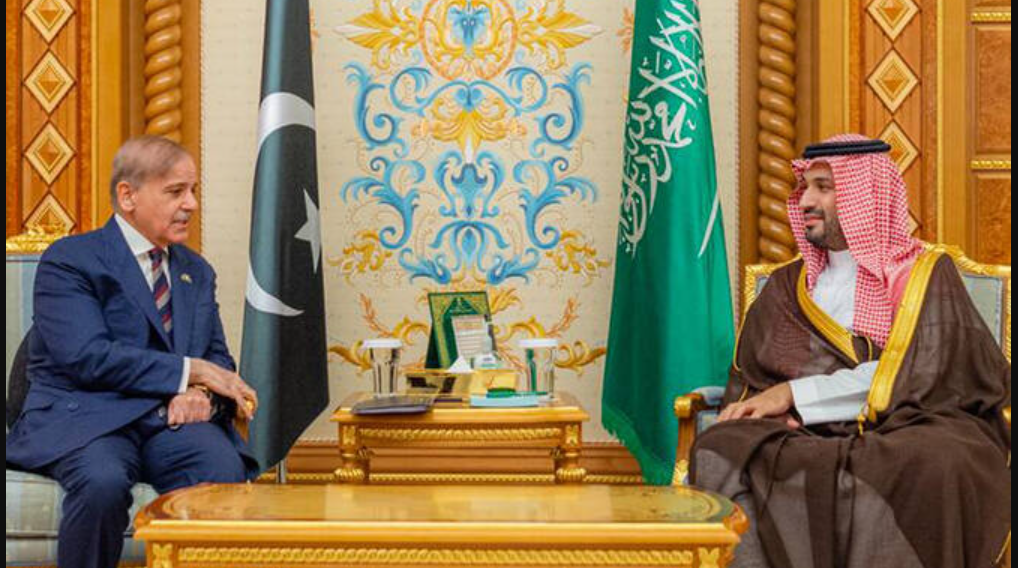

Pakistan and Saudi Arabia have officially launched the Economic Cooperation Framework, aimed at strengthening bilateral trade, investment, and development ties. The initiative is designed to deepen economic collaboration between the two nations and promote shared prosperity through strategic sectoral partnerships.
The framework was introduced following a high-level meeting between Prime Minister Shehbaz Sharif and Saudi Crown Prince Mohammed bin Salman in Riyadh. Both leaders emphasized their commitment to building a sustainable economic partnership rooted in mutual interests and long-term development goals.
Key Sectors Targeted for Collaboration
The new framework prioritizes cooperation in multiple sectors, including energy, mining, information technology, industry, tourism, agriculture, and food security. Both sides also plan to finalize memoranda of understanding (MoUs) for projects such as electricity interconnection and broader collaboration in the energy sector.
Through this framework, the two governments aim to enhance private sector participation and increase bilateral trade volume. The agreement is seen as an extension of the countries’ long-standing fraternal ties, reaffirming their shared vision of sustainable growth and economic inclusivity.
Focus on Sustainable Growth and Reform
During the event, Prime Minister Shehbaz Sharif highlighted Pakistan’s ongoing efforts to implement structural reforms and promote transparency. He pointed out the digitization of the Federal Board of Revenue (FBR) as a major step toward improving governance and combating corruption.
Sharif also underscored Pakistan’s vulnerability to climate change, noting that despite contributing less than one percent to global carbon emissions, the country faces repeated natural disasters that hinder development. He called for global cooperation and equitable resource distribution to address such challenges.
The prime minister reaffirmed his government’s resolve to transform Pakistan’s economy through consistent reform, effective governance, and innovation-driven growth. He stressed the importance of collective global action, stating that “humanity must share both its challenges and achievements together.”
Deepening Strategic Partnership
The Economic Cooperation Framework marks a continuation of recent efforts to strengthen Pak-Saudi relations. Both nations have already signed several strategic agreements, including the Strategic Mutual Defence Agreement, which ensures that any aggression against one country will be considered an attack on both.
In addition, multiple investment MoUs worth billions of dollars were signed in 2024, focusing on joint ventures in energy, infrastructure, and industrial development. These agreements highlight the expanding scope of cooperation and the deepening economic and security partnership between Islamabad and Riyadh.
Shared Commitment to Regional Stability
Alongside economic collaboration, both countries have reaffirmed their shared commitment to regional peace and stability. Their cooperation extends to humanitarian coordination and joint positions on international platforms, particularly regarding ongoing crises in the Middle East.
The launch of the Economic Cooperation Framework represents a new chapter in the long-standing partnership between Pakistan and Saudi Arabia. With a focus on sustainability, trade, and mutual development, the initiative is expected to drive significant progress and strengthen ties between the two nations for years to come.
