

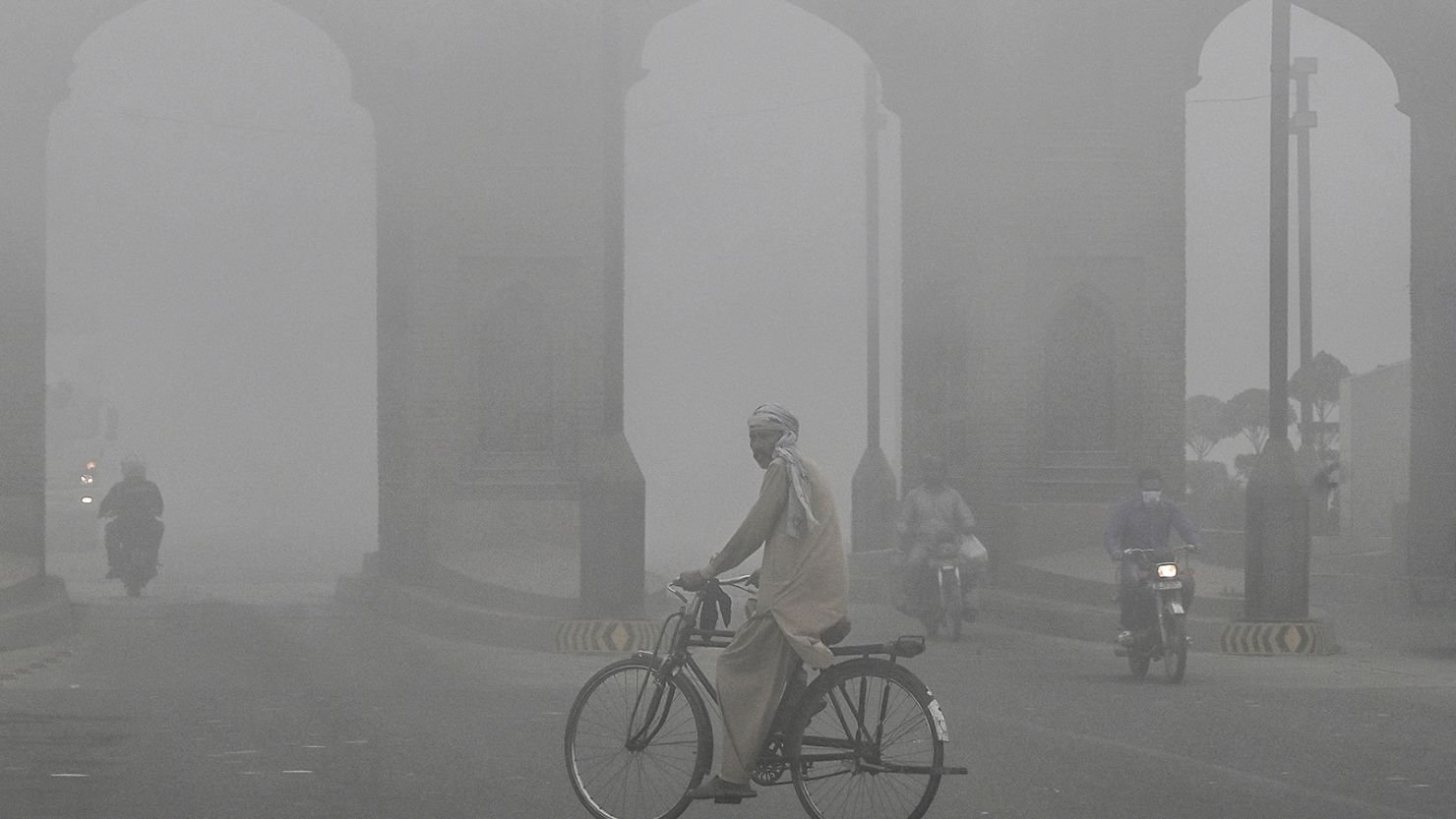

Lahore, Pakistan’s vibrant cultural hub, is facing an alarming environmental threat as air quality hazardous levels have been recorded across the city. The dense smog and rising pollutants are posing serious health risks, particularly for children, the elderly, and people with respiratory conditions. Experts warn that immediate action is necessary to prevent long-term damage to public health.
Recent monitoring by environmental agencies shows that Lahore’s air is now classified in the “hazardous” category, indicating dangerously high levels of fine particulate matter (PM2.5) and nitrogen oxides. Daily exposure to such polluted air can lead to chronic respiratory illnesses, heart problems, and even premature deaths.
The Causes Behind Lahore’s Hazardous Air Quality
Several factors are contributing to Lahore’s deteriorating air quality:
-
Industrial Emissions: Factories around the city release harmful gases and particulate matter, worsening pollution levels.
-
Vehicular Smoke: Increasing traffic congestion leads to higher emissions from cars, motorcycles, and trucks.
-
Construction Dust: Rapid urbanization generates large amounts of dust, significantly affecting air quality.
-
Crop Burning: Seasonal stubble burning in nearby agricultural areas contributes to smog formation.
The combination of these elements has made Lahore’s air hazardous, demanding urgent attention from authorities and citizens alike.
Health Risks of Hazardous Air in Lahore
Exposure to Lahore air quality hazardous conditions can trigger a range of health problems:
-
Respiratory Issues: Chronic coughing, asthma attacks, and lung infections are common.
-
Cardiovascular Problems: Air pollution increases the risk of heart attacks and stroke.
-
Eye and Skin Irritation: Pollutants can cause burning eyes, skin rashes, and allergies.
-
Reduced Life Expectancy: Long-term exposure to hazardous air can shorten life expectancy.
Medical experts emphasize wearing masks, using air purifiers, and avoiding outdoor activities during peak pollution hours.
Steps to Protect Yourself from Hazardous Air
Residents of Lahore can take practical measures to minimize exposure:
-
Monitor daily air quality using apps or online platforms.
-
Limit outdoor activities, especially in the morning when smog is heaviest.
-
Install air filters at home and in offices to reduce indoor pollution.
-
Use N95 masks if you must step outside during hazardous conditions.
-
Advocate for government action to reduce industrial emissions and vehicular pollution.
Taking these steps can significantly reduce the health impacts of Lahore’s hazardous air quality.
Conclusion: The Urgency of Clean Air in Lahore
As Lahore’s pollution crisis deepens, the warning of Lahore air quality hazardous cannot be ignored. Immediate measures from citizens and policymakers are crucial to safeguard public health and improve the environment.
By staying informed, taking precautions, and supporting clean air initiatives, we can help the city breathe easier and prevent the long-term consequences of pollution.
