

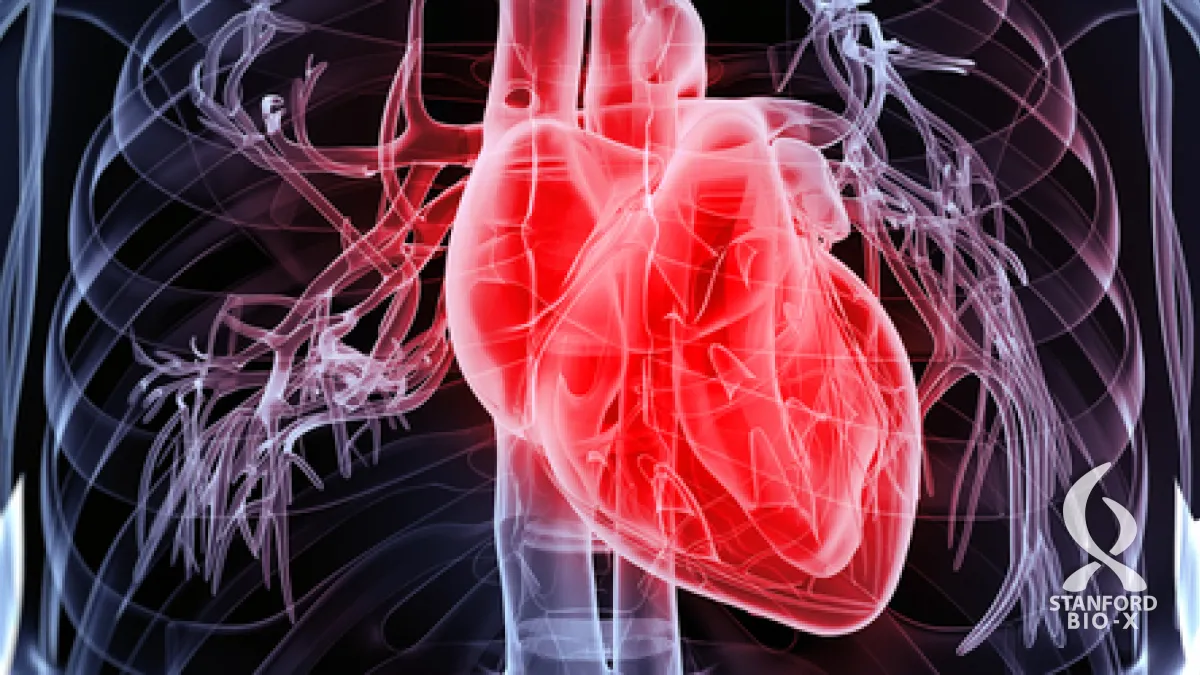

BMP8a Protein Shown to Regenerate Heart Cells, Offering Hope for Millions with Cardiac Disease
In a stunning scientific breakthrough, researchers have identified a protein called BMP8a that has the potential to regenerate damaged heart cells, offering new hope for millions suffering from heart disease. Long believed to be irreversible, damage to adult heart tissue — especially following heart attacks — may soon be treatable through the heart’s own ability to heal.
Traditionally, when heart cells die due to a heart attack or chronic heart conditions, they are replaced by non-functional scar tissue, weakening the heart’s ability to pump blood effectively. However, the discovery of BMP8a appears to challenge this outcome. The protein has been shown to activate specific genetic pathways that reprogram damaged cells, transforming them into healthy, functioning cardiac tissue instead of scar tissue.
Animal Trials Show Significant Heart Recovery, Human Trials May Follow
In controlled lab experiments, animals treated with BMP8a displayed remarkable improvements in both heart function and structural tissue repair. These findings suggest that the protein not only halts damage but actively promotes regeneration, a capability that was once considered impossible in adult human hearts.
If ongoing studies continue to deliver promising results, clinical trials in humans could begin in the near future. Scientists and cardiologists are cautiously optimistic, saying that this could represent the start of a new era in regenerative cardiology, where heart failure might one day be treated by simply stimulating the heart to repair itself — naturally and without the need for invasive procedures or transplants.
“This isn’t just a treatment — it’s a redefinition of what we thought the heart was capable of,” said one of the lead researchers involved in the study.
