

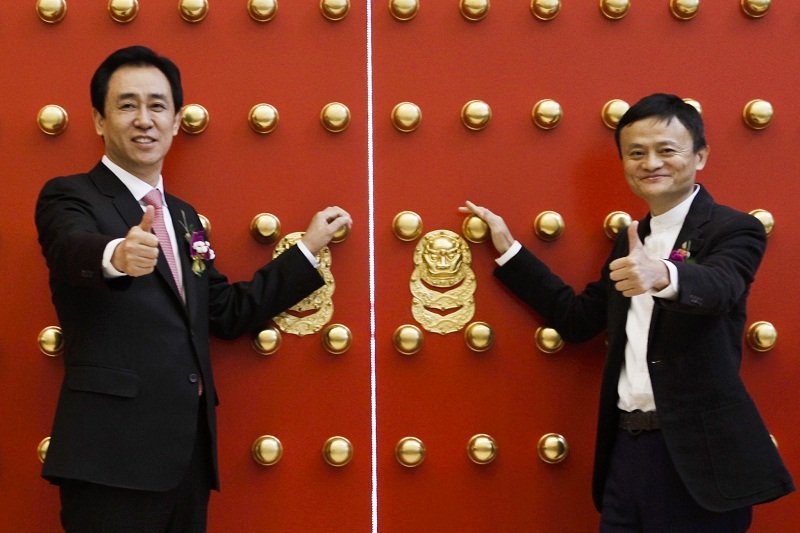

Chinese billionaires have stunned the world by donating billions of dollars for charity. In recent months, Wang Xing, the chairman and founder of food delivery giant Meituan, donated around $2.7 billion in stocks to his personal charity promoting scientific research and education, along with several other large gifts.
After Colin Huang, founder of e-commerce giant Pinduoduo, resigned as chairman of the company in March, and he gifted around $1.85 billion to an educational fund. And earlier this year He Xiangjian of the Midea home appliances empire and Xu Jiayin of the Evergrande real estate empire forked over roughly $975m and $370m respectively to poverty alleviation, medical care and cultural programmes.
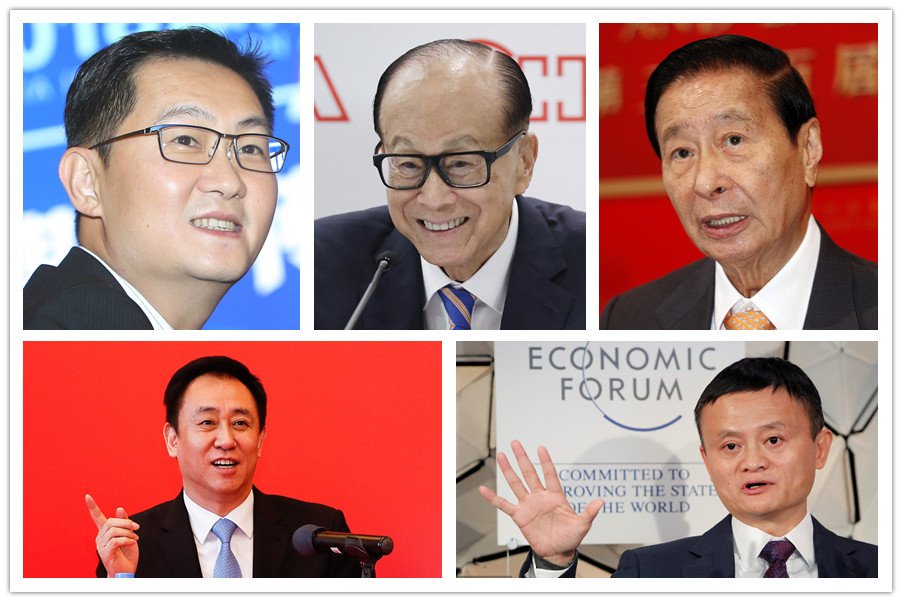
The list of largesse goes on and on, with billionaires like Zhang Yiming, founder of TikTok parent ByteDance, giving around $77m for education to his hometown of Longyan in Fujian province, and with former Olympic diving great Guo Jingjing donating $10m to the city of Wuhan.
But behind this surge of private gift-giving looms the hand of the Chinese government.
With over 1,058 billionaires, according to 2021 Hurun Global Rich List data released earlier this year, China now has more ultra-wealthy than any other country on Earth – including capitalist bastion the United States. That wealth surge has Beijing increasingly concerned that the gap between rich and poor could become a problem for Communist Party rule, whether in perception or reality or both.
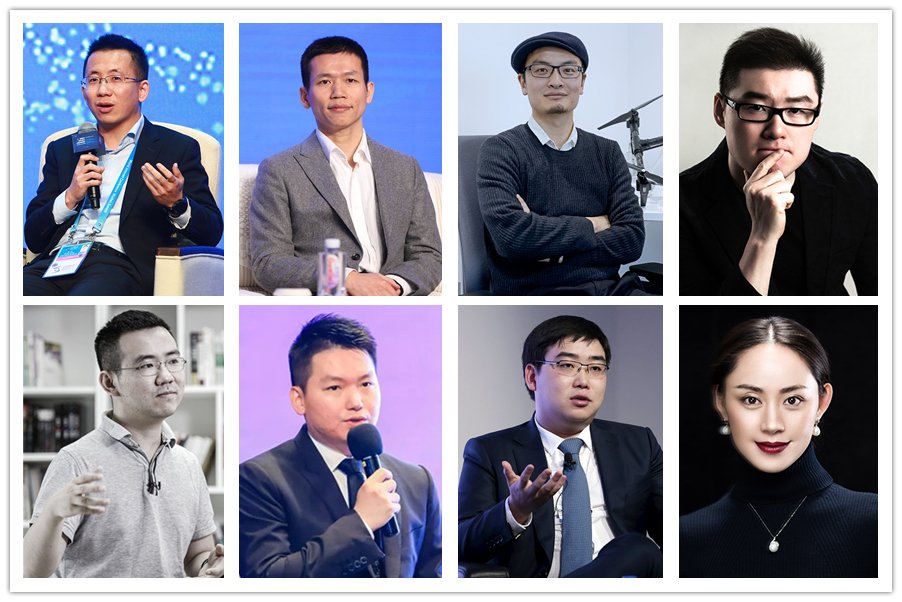
China’s ultra-rich added an unprecedented $1.5 trillion to their wealth in 2020 at the height of the global COVID-19 pandemic. Though they suffered losses of $16bn to their fortunes in the first half of 2021, according to the Bloomberg Billionaires Index, in the wake of the regulatory crackdown, pressure has been mounting for them to find their philanthropic spirit.
More encouragement for China’s entrepreneurs to loosen their purse strings and give back to society was laid out in the government’s latest five-year plan approved in March.
