


China has expressed strong concern over recent border clashes between Pakistan and Afghanistan. In response, Beijing urged both nations to protect Chinese nationals and investments in the affected regions.
The intensity of these clashes, which erupted late Saturday night and extended into Sunday, marks one of the most serious confrontations between Pakistan and Afghanistan in recent years. Both sides reported heavy casualties. Pakistan’s military stated that 23 of its troops were martyred, while claiming that over 200 Taliban and associated fighters were killed. Afghanistan countered by alleging its response was retaliatory, accusing Islamabad of earlier airstrikes within its territory.
Pakistan denied direct involvement in such strikes but maintained that Afghanistan must stop providing sanctuary to militants operating from its soil. Meanwhile, Kabul rejected claims of sheltering extremist groups, deepening the dispute over cross-border militancy.
China’s Strategic Stakes in the Border Region
China shares borders with both Pakistan and Afghanistan, particularly through its western Xinjiang province. With major infrastructure investments and long-term strategic interests in both countries, Beijing is especially sensitive to instability in the region.
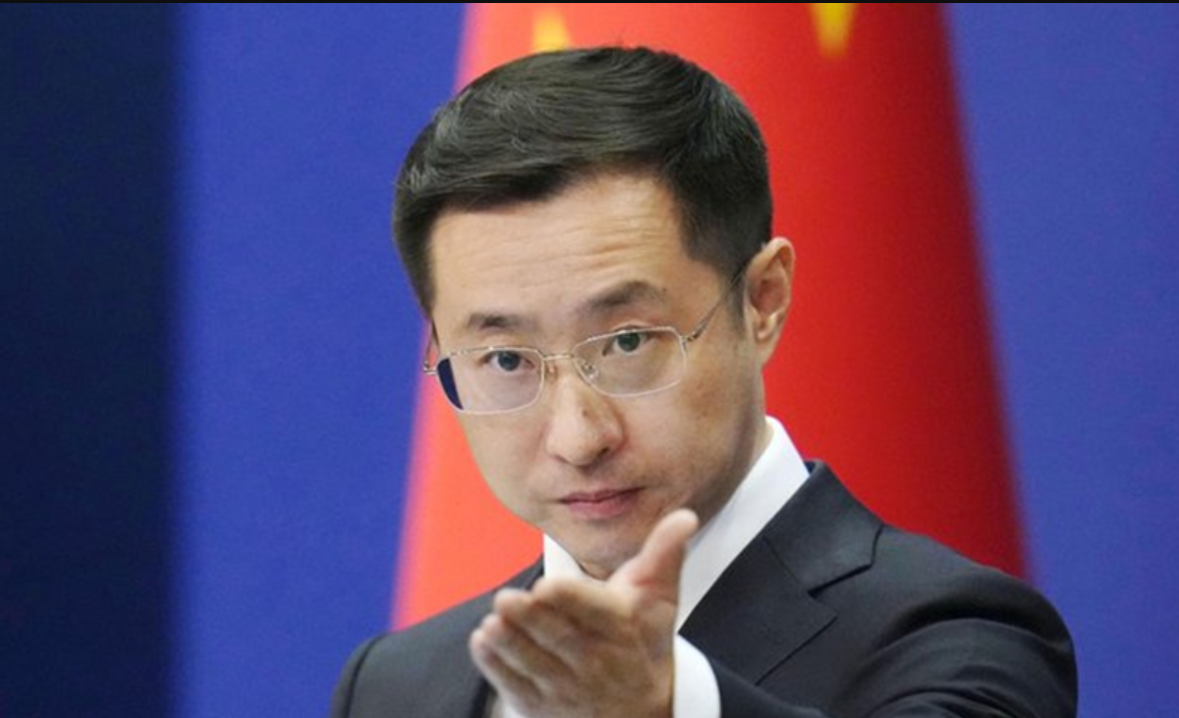
During a regular press briefing, Foreign Ministry spokesman Lin Jian stressed that China remains willing to play a constructive role in normalizing relations between Islamabad and Kabul. He urged both sides to remain calm, restrained, and committed to resolving their issues through dialogue and diplomacy.
Lin also emphasized the importance of safeguarding Chinese interests, calling on both nations to take concrete steps to protect Chinese nationals, projects, and institutions affected by the conflict.
In recent months, China has hosted trilateral meetings with Pakistani and Afghan officials, and it continues to seek channels for smoothing bilateral tensions. The current crisis underscores Beijing’s diplomatic challenge in balancing its partnerships with both neighbors.
The Clash: Claims, Counterclaims, and Diplomatic Risks
The two sides have given contrasting accounts of the fighting’s origins. Islamabad contends it acted in response to cross-border attacks orchestrated by militants based in Afghanistan. Kabul claims Islamabad initiated aggression via airstrikes, prompting its own retaliation.
Independent verification of casualties and the precise sequence of events remains difficult, owing to restricted access and competing narratives. Nonetheless, the clashes prompted a temporary closure of border crossings, halting trade and disrupting movement of people and goods.
In the diplomatic sphere, several regional players have already called for restraint. China’s intervention adds weight to the mounting pressure for deescalation.
Implications for Regional Stability and China’s Role
The clashes between Pakistan and Afghanistan carry broader ramifications for regional security. Escalation risks drawing in allied states, threatening supply lines, economic corridors, and destabilizing fragile border zones.
China’s role as a mediator is complicated by its dual interests: maintaining strong ties with Pakistan while also engaging Afghanistan. The China-Pakistan Economic Corridor (CPEC) projects and investments in regional infrastructure make a stable environment imperative for China.
Should diplomacy fail and hostilities persist, China may face increased pressure to intervene more directly or adjust its regional investments and security posture.
Diplomacy or Escalation?
At present, China’s appeal for calm and negotiations stands as a crucial diplomatic push. Whether Islamabad and Kabul heed it will shape the conflict’s trajectory.
If talks resume and both parties commit to deescalation, this episode may fade as a tense but manageable crisis. However, if clashes reignite, border regions could remain volatile, threatening regional trade, security, and China’s strategic investments.
Given the high stakes, all eyes will remain on how China, Pakistan, and Afghanistan steer their next moves—whether towards dialogue or further confrontation.
