

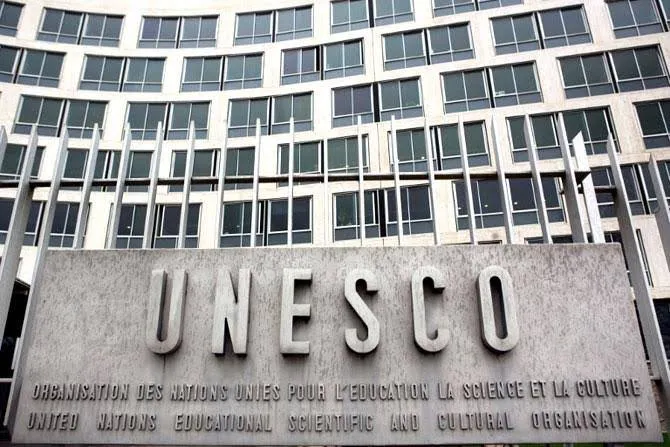

Pakistan’s initiative gains global support at UNESCO Executive Board session
In a major diplomatic achievement, UNESCO has officially adopted Pakistan’s proposal aimed at combating disinformation, misinformation, and hate speech while promoting freedom of expression and information integrity in the digital age.
The proposal was presented by Ambassador Mumtaz Zahra Baloch, Pakistan’s Permanent Delegate to UNESCO, during the 222nd Session of the UNESCO Executive Board held in Paris.
Pakistan’s initiative received broad cross-regional backing from member states, reflecting growing international consensus on the urgent need to address the harmful impact of false information and hate speech online. The strong support underscores a shared global commitment to fostering a safe, inclusive, and trustworthy digital environment.
Focus on digital responsibility and human rights
The adopted proposal reinforces UNESCO’s central role in defending human rights, democratic values, and access to verified information, especially in today’s rapidly evolving technological landscape.
It also addresses the challenges posed by emerging technologies such as Artificial Intelligence (AI), neurotechnology, and immersive digital environments — tools that are increasingly being used to manipulate content and distort facts.
The Executive Board called on digital platforms to implement stronger transparency and accountability measures. These include the detection and clear labelling of AI-generated or manipulated content, and the strengthening of content authentication mechanisms to preserve information integrity.
Pakistan’s proposal has been recognized as a forward-looking step towards global digital governance that prioritizes both freedom of expression and responsible information sharing.
