

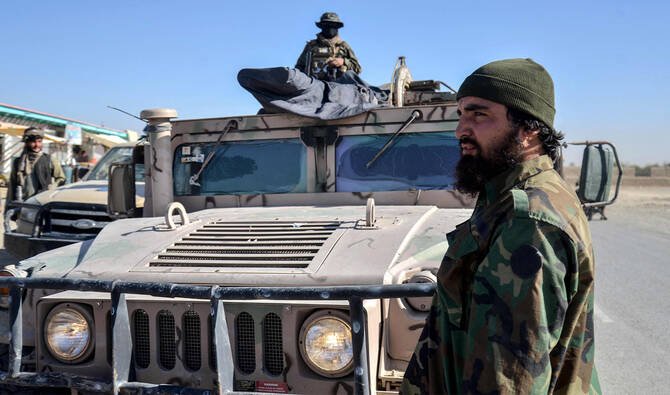

Pakistan Issues Stern Warning Following Unprovoked Afghan Fire
Pakistan has responded firmly after unprovoked attacks from Afghan forces at several key border areas. Deputy Prime Minister and Foreign Minister Ishaq Dar called the cross-border firing a “serious provocation” and said Pakistan is exercising “extreme caution” in its defensive response. He stated that Pakistan’s military strikes were aimed only at eliminating terrorist hideouts and not the Afghan civilian population. These operations targeted the Tehreek-e-Taliban Pakistan (TTP), also called Fitna al-Khawarij, and the Balochistan Liberation Army (BLA), known as Fitna al-Hindustan.
Dar urged the Taliban-led Afghan government to act decisively against these terror elements operating from within their borders. He stressed that Pakistan would “take all possible measures” to defend its land, people, and sovereignty. He also noted that peaceful relations depend on mutual efforts to stop terrorism.
The cross-border attacks occurred in regions such as Angoor Adda, Bajaur, Kurram, Dir, Chitral, and Baramcha. Following Pakistan’s retaliatory strikes, Taliban fighters reportedly abandoned more than a dozen posts and left several bodies behind.
Pakistan Captures 19 Afghan Posts; Regional Powers Call for Restraint
According to military sources, Pakistan’s forces have now captured 19 posts previously used by Afghan fighters to launch cross-border attacks. Precision strikes were carried out using artillery, drones, and air assets to dismantle terror strongholds. Key Taliban facilities, such as Manojaba battalion HQs and Durrani camps, were destroyed. Spin Boldak’s Asmat Ullah Karar camp and Taliban’s Ghaznali HQ in the Nushki sector were also obliterated. Many tanks and vehicles were destroyed in these actions.
President Asif Ali Zardari and Prime Minister Shehbaz Sharif both reaffirmed that there would be “no compromise” on Pakistan’s national sovereignty. PM Sharif praised the Pakistan Army for its swift and strategic response under Chief of Army Staff General Asim Munir.
Meanwhile, regional powers including Iran, Saudi Arabia, and Qatar have urged both nations to show restraint. Iran’s Foreign Ministry expressed deep concern and offered to mediate talks to de-escalate tensions.
Pakistan maintains that terror groups like TTP and BLA continue to operate freely from Afghan territory, often with support from Indian intelligence. Military spokesperson Lt. Gen. Ahmed Sharif Chaudhry noted that weapons left after the U.S. withdrawal from Afghanistan have empowered these groups.
Pakistan has repeatedly asked Kabul to control these elements and avoid becoming a base for attacks against its neighbor. Islamabad also engaged regional and global powers, including the U.S., Turkey, and the UAE, for diplomatic solutions prior to the latest military escalation.
