

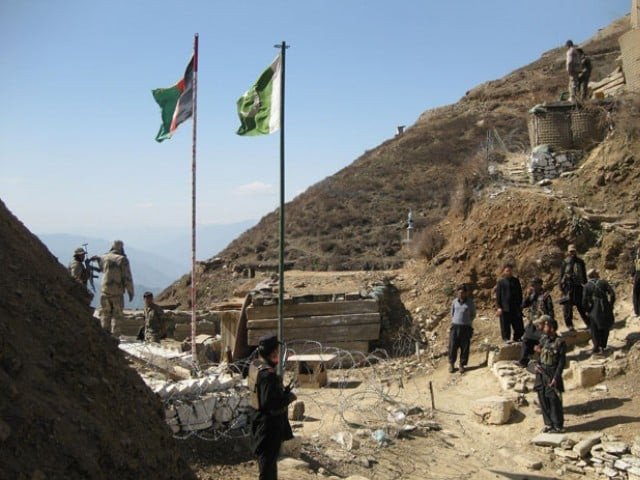

Pakistan closed all major border crossings with Afghanistan on Sunday following a severe exchange of fire between the two countries’ forces. The closure, which includes the main trade and transit points at Torkham and Chaman, came after Afghan troops allegedly fired on Pakistani border posts late Saturday night.
In retaliation, Pakistani forces responded with gunfire and artillery, destroying 19 Afghan border posts. The incident marks one of the most serious confrontations between the neighbouring nations in recent months.
Major Crossings at Torkham and Chaman Sealed
According to border authorities, the two primary crossings — Torkham in Khyber Pakhtunkhwa and Chaman in Balochistan — have been completely sealed. These routes serve as crucial channels for trade, travel, and humanitarian supplies between the two countries.
Additionally, at least three minor crossings — Kharlachi, Angoor Adda, and Ghulam Khan — were also shut down. The closure has disrupted movement on both sides, stranding travellers, traders, and cargo vehicles.
Officials said the decision was made to ensure national security and prevent further escalation until the situation stabilizes.
Pakistan Accuses Taliban of Harbouring Militants
Pakistan has long accused the Taliban administration of harbouring militants responsible for cross-border attacks. Islamabad maintains that several armed groups operate from Afghan soil, targeting Pakistani security forces and civilians in border regions.
The Afghan interim government, however, denies these claims, insisting that it does not allow its territory to be used for militant activities. Despite several rounds of talks between the two sides, tensions over cross-border militancy remain unresolved.
Impact on Trade and Regional Stability
The Pakistan-Afghanistan border, stretching over 2,600 kilometres, serves as a key economic and strategic corridor. The sudden closure has disrupted bilateral trade worth millions of dollars, affecting truck convoys transporting essential goods, fuel, and food supplies.
Experts warn that prolonged closure of border crossings could further strain diplomatic ties and harm the fragile economies of both countries. The region, already struggling with political instability and security challenges, faces additional uncertainty as trade halts and movement restrictions tighten.
Call for Diplomatic Resolution
Security analysts and regional observers urge both Islamabad and Kabul to engage in dialogue to prevent further hostilities. They emphasize that sustained communication and trust-building measures are essential to maintaining stability along the border.
While sporadic clashes are not new, the recent intensity highlights deep-rooted mistrust between the two sides. The closure of the border crossings serves as a reminder of the volatile relationship between Pakistan and Afghanistan — one that demands urgent diplomatic attention to avoid a larger confrontation.
