

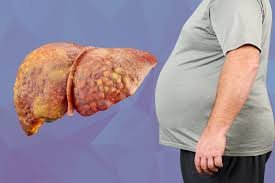

Experts link high-fructose diets to liver damage; fiber shown to protect against disease progression
A new study has uncovered a promising strategy for preventing non-alcoholic fatty liver disease (NAFLD) — a condition increasingly linked to modern diets high in sugar and processed foods. According to researchers, a diet rich in natural fiber may significantly reduce the risk of liver damage caused by excessive fructose intake, a common ingredient in soft drinks and packaged snacks.
How Fructose Impacts the Liver
Fructose, particularly in its added or processed form, contributes to the buildup of fat in the liver. Over time, this can lead to inflammation, scarring, and eventually NAFLD, which can progress to more serious conditions like cirrhosis or liver failure.
“The excessive intake of fructose — especially from sugary beverages and fast food — overwhelms the liver, causing fat accumulation and metabolic dysfunction,” researchers noted.
Alarmingly, NAFLD often shows no symptoms in its early stages and tends to go undetected, particularly in overweight individuals. If left untreated, the disease can lead to complications such as cardiovascular disease, researchers warned.
The Protective Power of Fiber
The study highlighted that fiber-rich foods — including fruits, vegetables, legumes, and whole grains — can play a protective role by:
-
Regulating metabolism
-
Reducing fat buildup in the liver
-
Promoting healthy gut bacteria
These benefits collectively support better liver function and reduce inflammation, offering a natural defense against the harmful effects of excess fructose.
“A diet high in fiber appears to counteract the metabolic damage caused by processed sugars,” the study concluded.
A Shift Toward Whole Foods
Health experts are urging people to limit processed and sugary foods and instead focus on whole, plant-based meals. This approach not only benefits the liver but also improves overall health and reduces the risk of chronic conditions such as diabetes, obesity, and heart disease.
As rates of NAFLD continue to rise globally, the findings underscore the importance of dietary choices in liver health — and suggest that something as simple as eating more fiber could be a powerful tool in prevention.
