


Nobel Recognizes Key Discovery Behind Immune Regulation
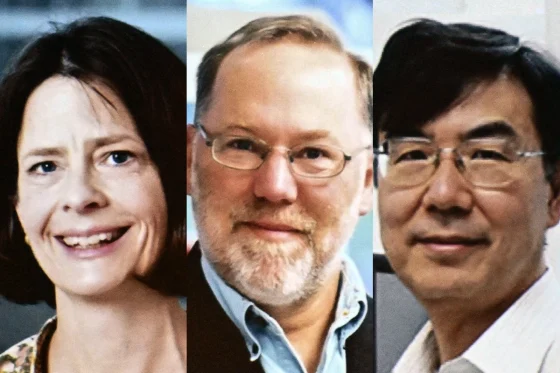
American researchers Mary Brunkow, Fred Ramsdell, and Japanese scientist Shimon Sakaguchi have been awarded the 2025 Nobel Prize in Physiology or Medicine. Their pioneering discoveries in peripheral immune tolerance have opened new doors for treatments targeting autoimmune diseases and cancer. The trio’s work has provided deep insight into how the immune system can be controlled to avoid attacking the body’s own cells, a process crucial to preventing chronic diseases.
The Nobel Assembly at Sweden’s Karolinska Institute, which selects the medicine prize winners, highlighted that the scientists identified regulatory T cells—a type of immune cell that helps maintain balance by preventing harmful immune responses. These “security guards” of the immune system prevent it from turning against the body, a key mechanism in avoiding autoimmune disorders.
Professor Marie Wahren-Herlenius, a rheumatologist at the Karolinska Institute, explained that the discovery is vital in understanding how our immune system fights off countless microbes without triggering diseases like lupus, type 1 diabetes, or multiple sclerosis.
Nobel Prize Launches the Season of Scientific Excellence
The announcement marks the start of the 2025 Nobel Prize season, with more awards in physics, chemistry, literature, peace, and economics set to follow. Winners receive 11 million Swedish crowns (around $1.2 million) and a prestigious gold medal presented by the King of Sweden.
Brunkow serves as senior programme manager at the Institute for Systems Biology in Seattle, Ramsdell is a scientific adviser and co-founder at Sonoma Biotherapeutics in San Francisco, and Sakaguchi is a professor at Osaka University. Speaking to the media, Sakaguchi said he was deeply honored by the award.
Thomas Perlmann of the Nobel committee said he managed to inform only Sakaguchi ahead of the announcement. “He was incredibly grateful and overwhelmed by the honour,” Perlmann noted.
The Nobel Prizes, established by Alfred Nobel in 1901, continue to recognize world-changing scientific contributions. Past laureates include Alexander Fleming for penicillin and recent researchers behind mRNA vaccine technology. Ceremonies for this year’s awards will take place on December 10, the anniversary of Alfred Nobel’s death, with royal attendance and traditional banquets.
