

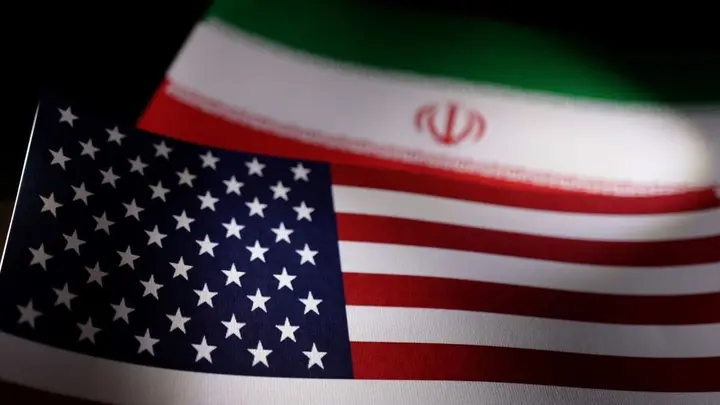

In a rare display of cooperation between Washington and Tehran, the United States deported around 100 Iranian nationals this week. The deportation marks a significant development in immigration enforcement and comes after months of diplomatic negotiations.
Flight from Louisiana to Iran via Qatar
A US-chartered flight carrying the deported Iranians left Louisiana on Monday and was expected to reach Iran via Qatar by Tuesday. The plan was confirmed by senior Iranian officials involved in the talks, along with a US official aware of the arrangements.
While the White House and US State Department have not issued official statements, the operation reflects the administration’s wider immigration policy. Washington has pledged to remove individuals without legal status as part of its border security measures.
Immigration Enforcement Challenges
The deportation aligns with the US goal of increasing removals, yet officials have faced difficulties in achieving record numbers. Despite expanded enforcement, legal barriers and logistical issues have limited progress.
In some cases, Washington has turned to third countries for cooperation. Earlier this year, for instance, 119 migrants were deported to Panama under a separate arrangement. The return of Iranians represents one of the few instances of direct coordination with Tehran on immigration issues.
Identities of Deported Iranians Remain Unclear
The exact backgrounds of the deported individuals have not been disclosed. Some Iranians reportedly volunteered to return after spending extended periods in US detention centers, while others were removed under standard immigration enforcement procedures.
Iran’s Foreign Ministry has taken responsibility for managing the return process. The ministry assured that deportees would be provided safety and assistance upon arrival, signaling a carefully coordinated repatriation effort.
Significance for US-Iran Relations
Although Washington and Tehran remain at odds on several geopolitical issues, the deportation showcases how shared interests can sometimes lead to cooperation. This instance highlights that even adversarial nations can find common ground in matters such as immigration and humanitarian management.
Analysts believe the move could ease certain administrative tensions, though it is unlikely to transform the broader dynamics between the two countries. Nevertheless, the deportation serves as an example of pragmatic diplomacy in action.
The deportation of 100 Iranian nationals underlines the complexity of immigration policy, where law enforcement, diplomacy, and humanitarian considerations intersect. As the US continues to pursue strict immigration measures, future agreements with other nations may become necessary to overcome enforcement challenges.
For Iran, the operation demonstrates an ability to negotiate structured returns for its citizens, reinforcing its oversight of expatriate affairs.
