

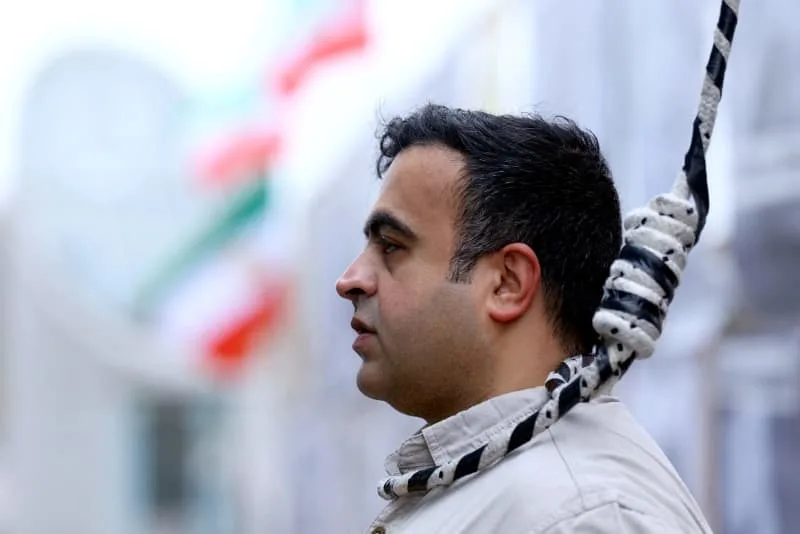

Iran on Monday carried out the execution of Bahman Choubi-asl, an individual the authorities described as “one of the most important spies for Israel” operating inside the country. His death sentence was confirmed by Iran’s judiciary outlet, Mizan, which reported that the Supreme Court had upheld the conviction, rejecting his appeal and clearing the path for the execution.
According to judicial sources, Choubi-asl had been recruited by Israel’s intelligence agency, Mossad, and tasked with penetrating highly sensitive Iranian institutions. His alleged activities included infiltrating government databases, creating vulnerabilities in national data centers, and gathering intelligence on the import routes of electronic equipment critical to Iran’s infrastructure.
Officials described these actions as posing a direct threat to the country’s national security. The judiciary categorized his activities as “corruption on earth,” a charge frequently invoked in espionage or treason cases and one that carries the death penalty under Iranian law.
The case highlights the intensifying covert struggle between Iran and Israel, which for years has played out through assassinations, cyberwarfare, and sabotage operations targeting military, nuclear, and technological sites.
These shadow conflicts flared into direct confrontation earlier this year when Israel reportedly conducted strikes inside Iran, with Mossad commandos said to have played a central role in the operations. Such incidents have not only heightened bilateral tensions but also added urgency to Tehran’s efforts to clamp down on suspected foreign operatives.
Iranian authorities have markedly increased their use of capital punishment against individuals accused of spying for Israel in recent months. Official figures indicate that at least 10 people convicted of working with Mossad have been executed this year alone.
Officials argue that these executions are necessary to safeguard the country’s sovereignty against foreign intelligence infiltration, though international human rights groups have frequently criticized Iran for the opacity of its judicial proceedings and the lack of transparency in espionage cases.
The execution of Choubi-asl underscores the seriousness with which Iran is treating its ongoing confrontation with Israel, as Tehran continues to portray Mossad infiltration as a central threat to its internal stability.
With both countries entrenched in a prolonged shadow war that increasingly spills into open confrontation, the latest execution is likely to fuel further hostilities and deepen the cycle of reprisals between the two bitter rivals.
