

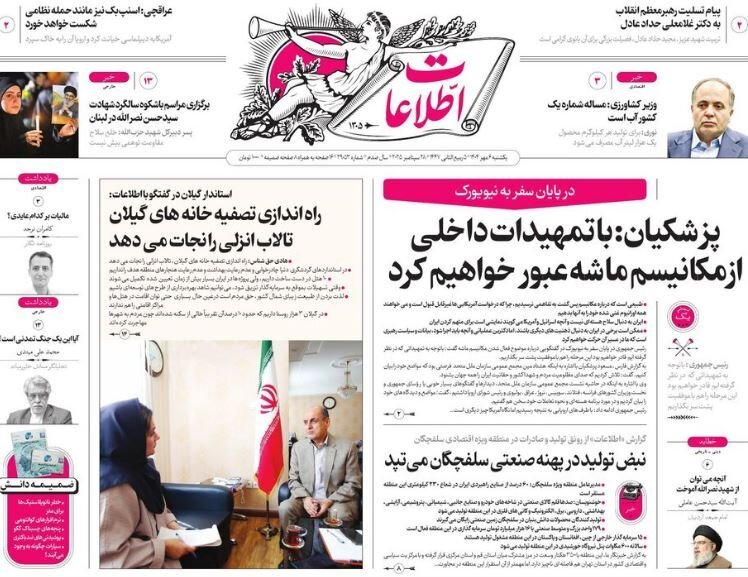

New Delhi Defies Pressure, Signals Pivot from U.S. Energy Policies
Despite renewed global scrutiny from the European “snapback” mechanism, India has quietly resumed importing oil from Iran. A recent shipment valued at $111 million was confirmed by Tehran’s trade data, marking a significant shift after years of suspension.
This move is being read by observers as a signal of India distancing its energy policy from U.S. sanction frameworks. New Delhi has even floated a proposal to Washington: allow it to import crude from Iran and Venezuela in exchange for scaling back oil purchases from Russia. By doing so, India is asserting more autonomy in its energy diplomacy.
Analysts argue that Iran’s continued export operations—despite heavy sanction pressure—reflect its success in diversifying trading partners and leveraging diplomatic resilience. Indeed, the immediate impact of the snapback appears more psychological than operational; Iran maintains relative stability in energy exports, enabling longer-term planning across its economy.
Snapback Sanctions, Diplomatic Fallout & Iran’s New Leverage
The snapback activation by Europe has injected fresh tension into nuclear diplomacy. Analysts note that with the failure of a Chinese‑Russian proposal to delay snapback, the European troika (Britain, France, Germany) has been marginalized in Iran talks. Decisions on Iran’s nuclear file are increasingly confined to major powers: Tehran, Washington, Moscow, and Beijing.
According to legal scholar Yousef Molaei, the snapback’s risks are more about security and diplomatic isolation than immediate economic ruin. He warns that unilateral signals labeling Iran a threat could embolden adversarial actions by the U.S. or Israel under international consensus. Domestically, rising economic pressures might amplify social strains.
Meanwhile, Iranian observers lament European betrayal. In local commentary, Europe is accused of undermining diplomacy by rejecting delay proposals and siding with the U.S. A campaign of national unity has been called—to counter external pressure, strengthen internal coherence across government, security, and civil structures, and delegitimise the snapback narrative.
