

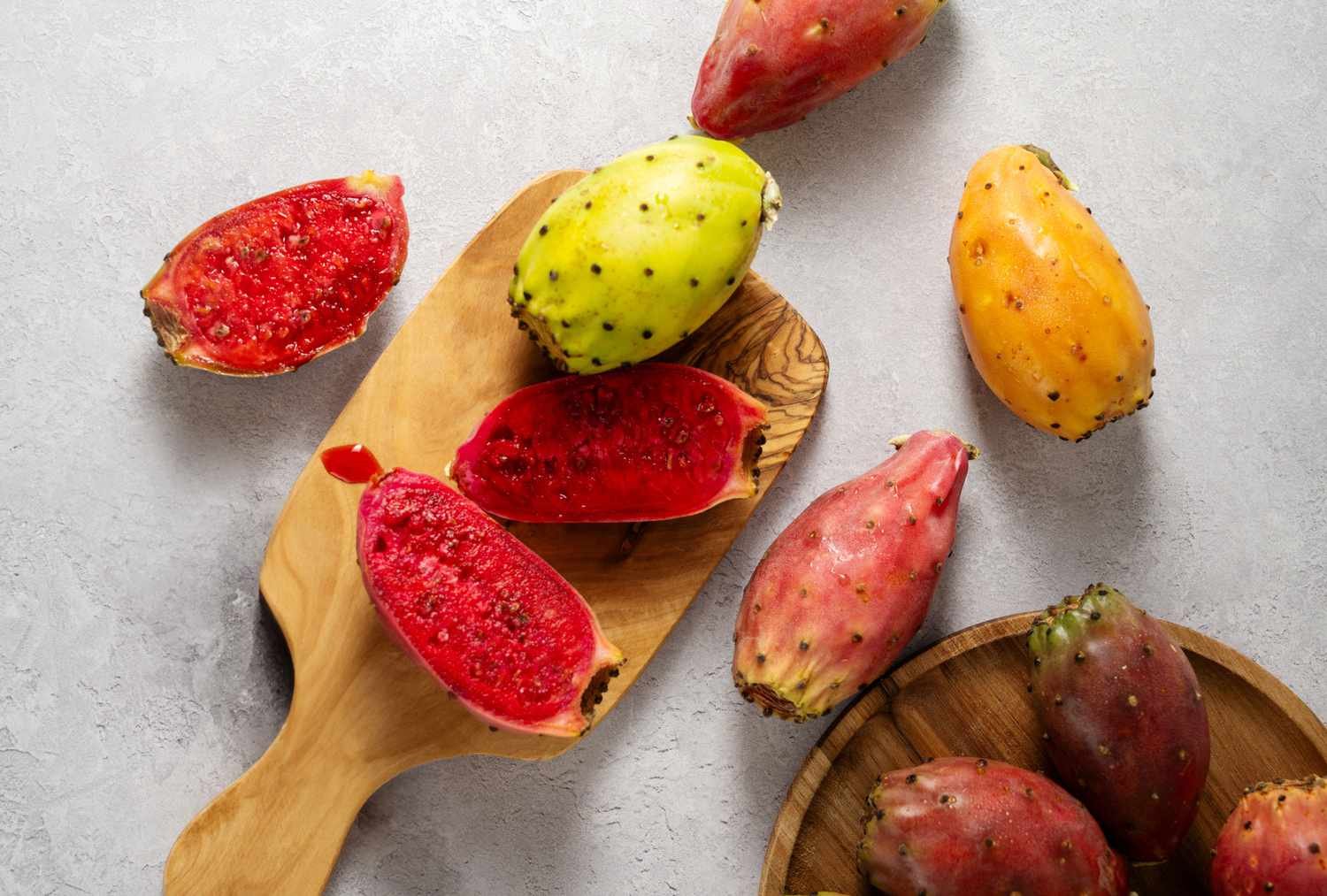

Prickly pear is one of the most popular summer fruits, cherished for its sweet taste and refreshing qualities. It can be eaten fresh, blended into juice, or combined with other healthy dishes.
Despite its popularity, some people avoid it while dieting, fearing it may contribute to weight gain. However, medical research indicates otherwise, confirming that prickly pear can be a smart and nutritious choice for those managing their weight.
This fruit is low in calories, with a single prickly pear containing only about 30 calories, making it an excellent option for dieters. Moreover, it provides essential vitamins and minerals, including vitamin C, potassium, and magnesium, which support overall health and wellbeing.
Experts point out that prickly pear is packed with antioxidants that help fight inflammation, combat oxidative stress, and support the immune system. These antioxidants not only protect the body but also enhance energy levels, calm the nerves, and improve mood.
One of its standout features is its high dietary fibre content. One hundred grams of prickly pear contain around 3.6 grams of fibre, which plays a significant role in promoting prolonged satiety.
Fibre aids digestion by facilitating smooth food passage through the digestive system, regulating bowel movements, and preventing constipation and bloating. It also contributes to lowering blood cholesterol levels, which in turn supports cardiovascular health.
For individuals on a diet, the fibre-rich nature of prickly pear helps reduce hunger pangs, keeping them fuller for longer, thereby helping manage calorie intake effectively.
While prickly pear offers numerous benefits, experts recommend consuming it as part of a balanced diet that includes a variety of nutrient-rich foods. When enjoyed in moderation, this seasonal fruit not only satisfies sweet cravings but also supports digestive health and overall wellbeing.
