

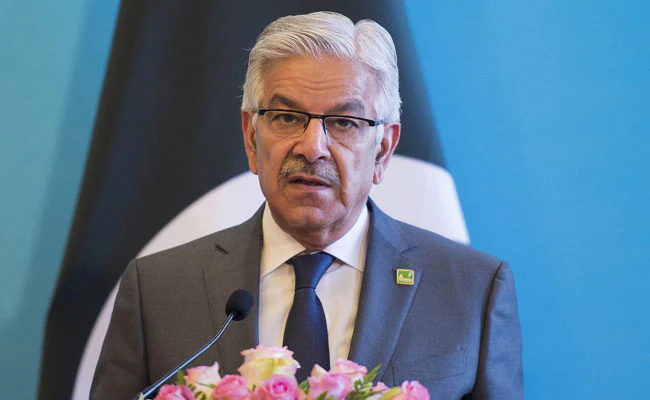

Defense Minister Khawaja Asif has dismissed speculation that Pakistan’s recent defense agreement with Saudi Arabia is a reaction to regional developments, including the attack on Qatar. Instead, he clarified that the pact is the result of years of discussions aimed at strengthening and formalising the already deep-rooted defense cooperation between the two countries.
In an interview with British-American journalist Mehdi Hasan, Asif emphasized that Pakistan’s military partnership with Saudi Arabia stretches back decades. He pointed out that Pakistani troops have historically been stationed in the Kingdom, with numbers once reaching between 4,000 and 5,000.
Even today, Pakistani forces continue to be present on Saudi soil, underscoring the long-standing strategic ties between the two nations.
The defense minister explained that the newly signed deal is not about initiating a fresh alliance but rather about providing a formal structure to an existing partnership. “This agreement has only formalised the defense relations we have had for a long time. Earlier it was based on some transactions before,” Asif stated, noting that the pact gives clarity and continuity to defense cooperation.
Shifting the discussion toward global security concerns, Asif reaffirmed Pakistan’s policy on nuclear weapons, underlining the country’s stance against their use. “After Hiroshima and Nagasaki, no nuclear power is in favour of using these weapons,” he said, stressing Pakistan’s adherence to global norms of restraint and responsibility.
On the political front, Asif also reflected on Pakistan’s democratic journey. He acknowledged that the country’s democratic system is still evolving but maintained that progress is being made.
Sharing a personal experience, he revealed that he had been imprisoned for six months without charges, highlighting the challenges faced in Pakistan’s political landscape. Despite such setbacks, he voiced optimism that Pakistan remains committed to democratic development and gradual reform.
