

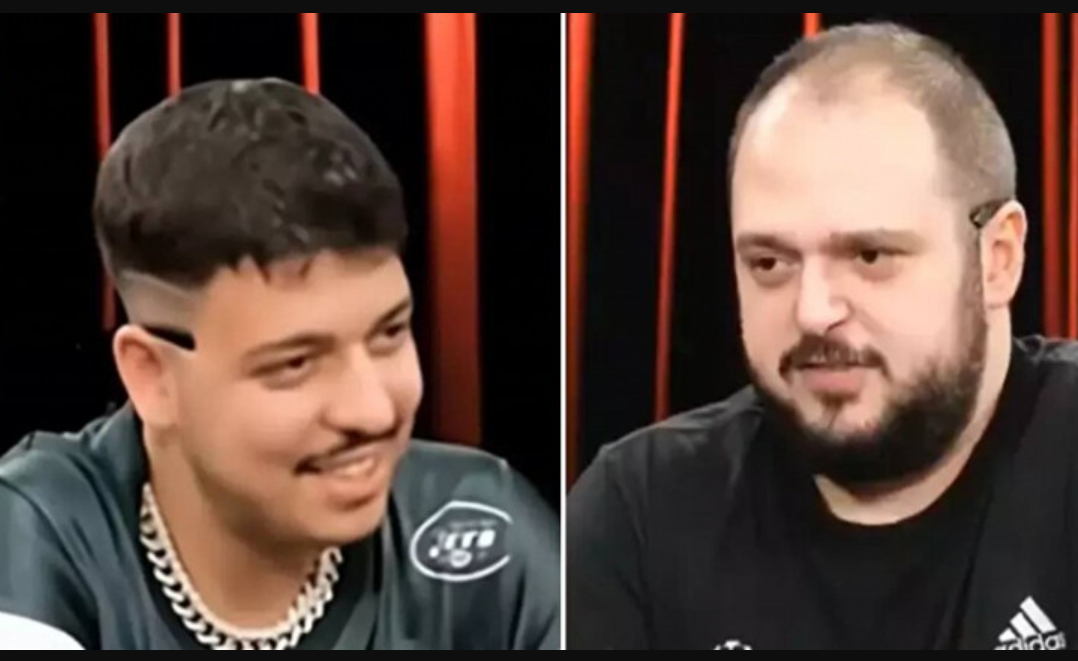

A Turkish court has jailed a comedian and a rapper after prosecutors claimed their online program contained a blasphemous remark. Authorities argued that the controversial comment risked stirring hostility on religious grounds and could incite hatred. The case has reignited debate in Turkey over freedom of expression and the boundaries of satire.
Details of the Arrest
The court in Istanbul ordered the detention of YouTuber Bogac Soydemir, host of the program Soguk Savas, along with rapper Enes Akgunduz. The decision came after the show featured a joke that prosecutors deemed offensive to the teachings of Islam.
Both men appeared in court and denied any intent to insult religion. They stressed that the comment was misinterpreted and had not been made with malicious intent.
Apologies and Clarifications
Following the backlash, Soydemir explained that the remark was originally a viewer comment he read aloud during the broadcast. He said he mistook it for a harmless wordplay. Once he was alerted to the sensitivity of the issue, he deleted the video and issued public apologies across his social media platforms.
Akgunduz also distanced himself from accusations of deliberate offence. He noted that their exchange was misunderstood and admitted he should have exercised more caution. Like Soydemir, he insisted there was no intention to provoke religious hatred.
Broader Context
This case is not an isolated one. Turkey has witnessed similar incidents in recent years involving satire and creative expression. The jailing of four cartoonists from the satirical magazine Leman over a controversial cartoon highlighted growing scrutiny of artistic and comedic content.
Legal experts argue that such prosecutions raise questions about the balance between safeguarding religious sensitivities and protecting freedom of speech. Supporters of free expression believe that penalizing satirical or misinterpreted remarks risks creating a chilling effect on Turkey’s creative community.
Public Reaction
The arrests have sparked debate online, with many users criticizing the decision as heavy-handed. Others, however, supported the court’s move, insisting that respect for religious values must be upheld in public platforms. The case continues to divide public opinion between advocates of open expression and those who prioritize religious protection.
The detention of Bogac Soydemir and Enes Akgunduz highlights Turkey’s ongoing struggle between freedom of expression and respect for religious beliefs. As the trial unfolds, the case will likely influence future discussions on how the country navigates this sensitive balance.
