

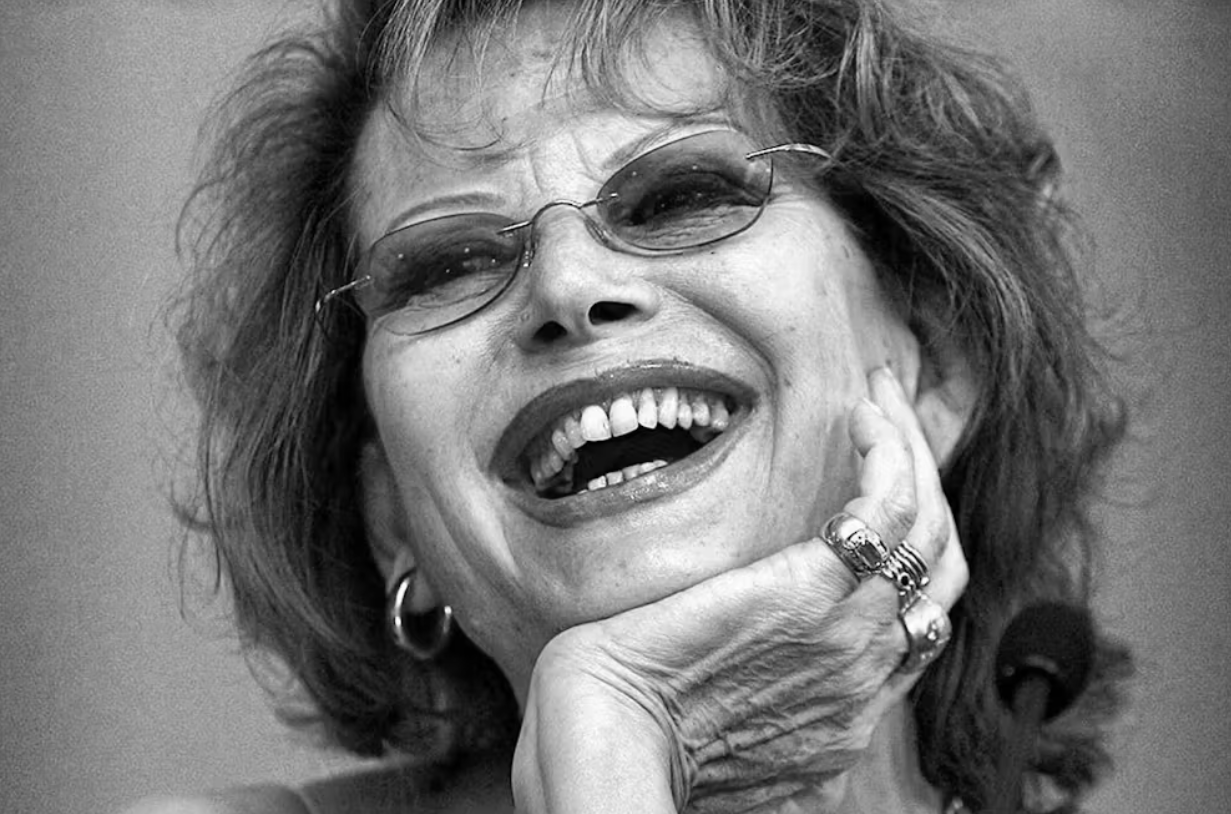

Claudia Cardinale, one of the brightest stars of Italian cinema and an international symbol of elegance, has passed away at the age of 87. Known for her magnetic screen presence and remarkable versatility, Cardinale captivated audiences across Europe and Hollywood, leaving behind a legacy that shaped post-war cinema.
Born in Tunisia in 1938 to a family of Sicilian origin, Cardinale grew up speaking French at school and Sicilian at home. Her unexpected entry into film began in 1957 when she won a beauty contest in Tunis, earning a trip to the Venice Film Festival. This moment marked the beginning of a career that would span over six decades.
Early in her acting journey, her voice was often dubbed because of her accent. Her personal life also faced challenges, including a secret pregnancy in her teenage years. She gave birth to her son Patrick in London in 1958 and, for years, introduced him as her younger brother while her parents raised him.
Cardinale’s breakthrough came in 1963 when she starred in Federico Fellini’s masterpiece 8½, followed by her acclaimed role alongside Burt Lancaster in The Leopard. Balancing both productions at the same time, she even had to switch hair colors between shoots, an example of her dedication to her craft.
In Hollywood, she quickly rose to fame, appearing in Blake Edwards’ The Pink Panther and Sergio Leone’s iconic Once Upon a Time in the West. Her performances solidified her reputation as one of the most striking and talented actresses of her generation.
The 1970s brought challenges. After ending her marriage to film producer Franco Cristaldi and beginning a lifelong relationship with director Pasquale Squitieri, she faced professional obstacles. Cristaldi reportedly encouraged the Italian film industry to ostracize her, resulting in missed opportunities, including a role in Visconti’s The Innocent. Despite these setbacks, she revived her career when Franco Zeffirelli cast her in the acclaimed 1977 television series Jesus of Nazareth.
Throughout her career, Cardinale worked with visionary directors such as Werner Herzog and Marco Bellocchio. Known for her independence, she famously defied Vatican protocol by wearing a miniskirt to meet Pope Paul VI, reinforcing her reputation as a free spirit.
Later in life, she continued performing on stage, particularly in France, where she spent much of her time and maintained close friendships with political figures like François Mitterrand and Jacques Chirac. She also appeared in European productions well into her eighties, including the Swiss television series Bulle in 2020.
In 2002, she was honored with a lifetime achievement award at the Berlin Film Festival. Reflecting on her journey, she said, “I’ve lived more than 150 lives, playing prostitutes, saints, romantics—every kind of woman. Acting gave me everything.”
Cardinale’s story is not just one of cinematic brilliance but also of resilience, independence, and reinvention. A 2022 biography, Claudia Cardinale: The Indomitable, celebrated her spirit and enduring influence.
From The Leopard to Once Upon a Time in the West, Claudia Cardinale’s performances remain etched in the history of world cinema. Her passing marks the end of an era, but her legacy as an icon of film and theatre will continue to inspire generations.
