


Series X Now Up to $800 as Supply Chain and Trade Tariffs Bite
Microsoft has announced another round of price increases for its Xbox consoles in the United States, marking the second hike this year. The tech giant cited ongoing macroeconomic pressures, including tariffs, supply chain costs, and inflation, as the driving factors behind the move.
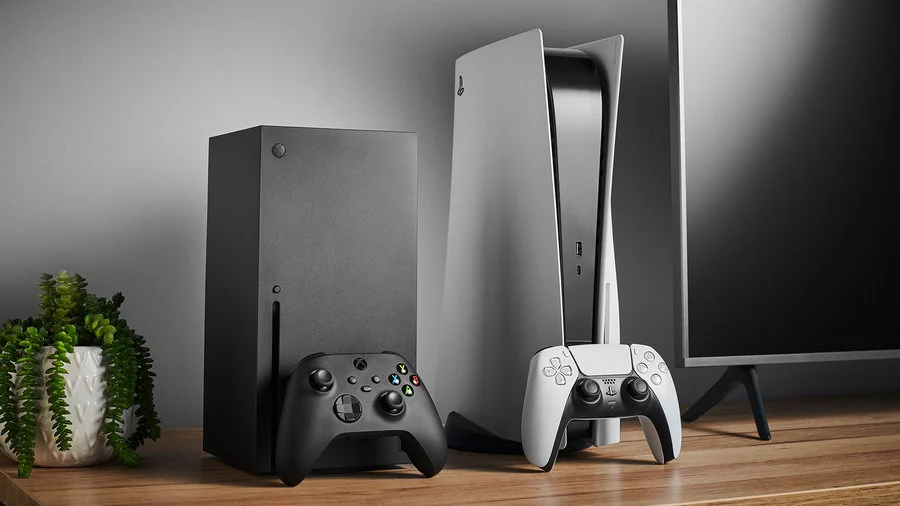
Beginning October 3, the 1TB Xbox Series S will retail for around $450, while the Series X will be priced at $650. Meanwhile, the newly launched special edition 2TB Galaxy Black Series X will see its price surge to nearly $800 — a record high for Xbox hardware.
The announcement follows a similar increase in May, when Xbox raised console prices across multiple markets including Europe, Australia, and the UK, also attributing the move to rising import costs and economic uncertainty. Within six months, the Xbox Series X has experienced a total price increase of $150, potentially pricing out many gamers during a time of economic tightness and elevated inflation.
Tariffs and Trade Tensions Drive Hardware Repricing Across Industry
Experts say the price hike isn’t about software or opportunistic profit-taking, but rather an attempt to absorb mounting trade and tariff-related costs. “This price increase is less about opportunism or even the cost of software development. Instead, it is the result of tariff increases and rising costs in the supply chain,” said Joost van Dreunen, a gaming industry expert and professor at NYU Stern School of Business.
Microsoft’s closest competitor, Sony, also raised U.S. prices of its PlayStation 5 consoles by about $50 in August, with the high-end PS5 Pro now retailing for $749.99.
Microsoft confirmed that prices for controllers, headsets, and consoles in other countries will remain unchanged for now. However, the trend raises questions about affordability in the gaming sector, especially as the industry anticipates major upcoming launches like “Grand Theft Auto VI” and Nintendo’s Switch 2.
With hardware expected to drive much of the industry’s growth in 2025, analysts warn that continued price hikes could impact sales, particularly if key title launches face delays or further inflation squeezes consumer spending.
