


Strict Legal Action for Non-Compliance Under Anti-Terror Laws
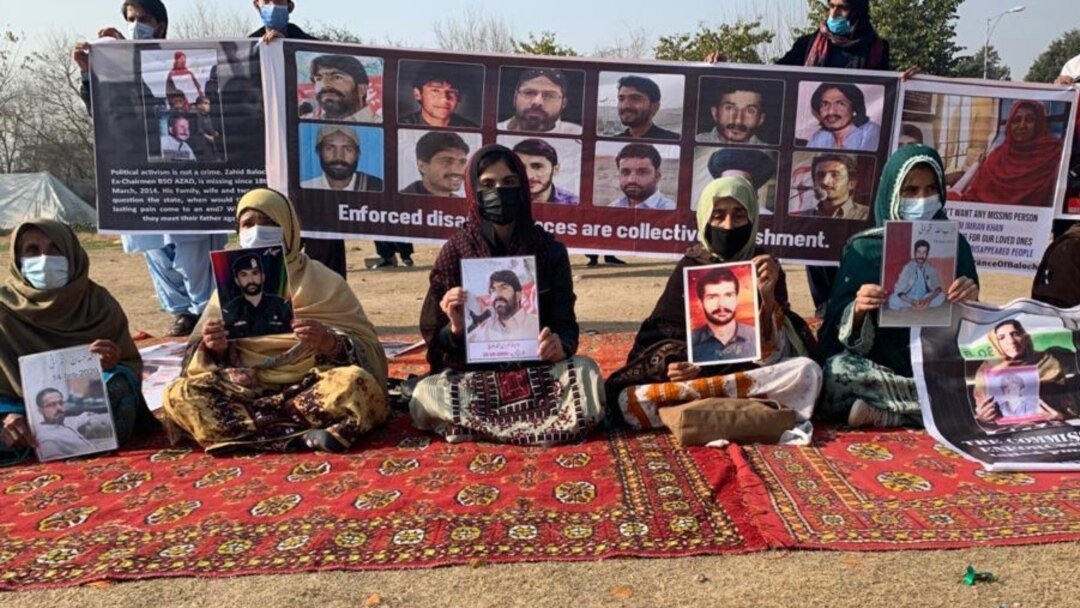
QUETTA – In a significant move aimed at combating militancy and curbing support networks, the Balochistan Home Department has issued a directive requiring families to immediately report any missing relatives or those suspected of joining non-state or militant groups. The government has warned of severe legal consequences under anti-terrorism laws for families who fail to comply.
According to the official notification, all citizens—especially parents and guardians—must inform their nearest police station or Frontier Corps (FC)/army unit within seven days if a family member goes missing or is found to have joined a militant or non-state group. The directive makes it mandatory to submit sworn declarations disowning such individuals to avoid being labeled as abettors or facilitators.
The notification invokes provisions from the Pakistan Penal Code (PPC) Sections 118 and 202, as well as Section 11(1)(EEE) of the Anti-Terrorism Act (ATA) 1997, to enforce compliance. Families are also required to submit information about individuals who are already missing or known to be affiliated with militant groups within the same seven-day timeframe.
Non-Reporting May Lead to Criminal Charges, Asset Seizure, and Blacklisting
The provincial government’s directive goes beyond simple reporting. Families of individuals who have already joined militant outfits must file an affidavit disowning and separating themselves from such persons, under Sections 120 and 120-A of the PPC, combined with anti-terror provisions. Failure to do so, the notification warned, will result in the family being treated as facilitators of terrorism.
In such cases, legal action may include criminal prosecution, placement in the Fourth Schedule (a terrorism watchlist), and punishment under Sections 107, 109, and 114 of the PPC. Further penalties include confiscation of property, dismissal from government employment, and ineligibility for any state-funded welfare or financial assistance programs.
This aggressive policy shift reflects the Balochistan government’s growing urgency in dealing with the region’s security challenges, particularly amid increasing concerns about insurgency and foreign-backed militant operations. The Home Department emphasized that no leniency will be shown to those who, by action or inaction, enable terrorism within the province.
