

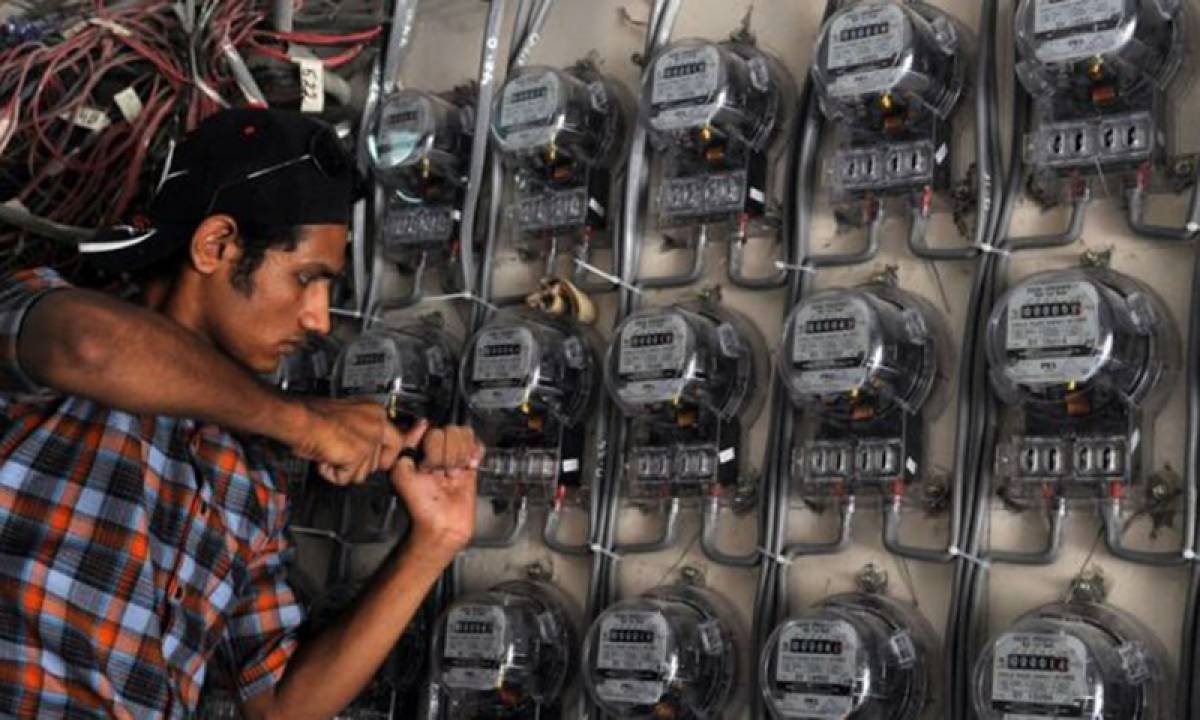

Electricity consumers across Pakistan may soon face higher power bills as the Central Power Purchasing Agency-Guarantee (CPPA-G) has requested an increase under the fuel charges adjustment (FCA) mechanism. The proposed hike of Rs0.1911 per unit is aimed at bridging the gap between actual generation costs and reference fuel charges. If approved, the adjustment could impose an additional burden of Rs3 billion on consumers in October.
Reason for the Proposed Increase
In its petition, submitted on behalf of ex-Wapda distribution companies and K-Electric, CPPA-G revealed that the reference fuel charges for August 2025 were calculated at Rs7.3149 per unit. However, the actual cost of power generation averaged higher, at Rs7.5059 per unit. Consequently, CPPA-G has sought approval for the difference to be recovered from consumers.
Nepra’s Role and Upcoming Hearing
The National Electric Power Regulatory Authority (Nepra) has scheduled a public hearing on September 29, 2025, to review the request. Under federal policy, any FCA adjustments approved for ex-Wapda distribution companies will also be applied to K-Electric customers. This ensures uniformity across the electricity distribution network.
Power Generation and Cost Breakdown
According to CPPA-G’s data, total power generation in August 2025 stood at 14,218 gigawatt hours (GWh), costing Rs103.4 billion. This translates into an average generation cost of Rs7.27 per unit. After accounting for transmission losses, sales to independent power producers (IPPs), and prior adjustments, the net supply to distribution companies was 13,715 GWh at Rs7.51 per unit.
Hydropower remained the largest contributor, producing 5,517 GWh, or nearly 39 percent of the total generation, at zero fuel cost. Nuclear power plants generated 2,145 GWh (15 percent) at a relatively low cost of Rs2.19 per unit. In contrast, RLNG-based power plants produced 2,180 GWh (15.3 percent) at a significantly higher cost of Rs21.73 per unit.
Coal contributed around 18 percent of the energy mix. Locally mined coal generated power at Rs12.01 per unit, while imported coal cost Rs14.07 per unit. Additionally, indigenous gas accounted for 7.3 percent of the mix at Rs13.43 per unit. Residual fuel oil contributed less than 1 percent, yet at a steep Rs33.01 per unit.
Electricity imports from Iran, though limited to 78 GWh, carried the highest price tag at Rs41.09 per unit.
Implications for Consumers
If approved, this adjustment will add to the growing financial burden on electricity consumers already struggling with rising living costs. However, CPPA-G maintains that such revisions are necessary to balance production costs and maintain uniform electricity pricing nationwide.
The decision by Nepra will directly affect household and industrial electricity bills across the country. While renewable and nuclear sources provide cheaper options, reliance on expensive imported fuels continues to push costs higher. Therefore, the upcoming hearing is expected to draw significant public and industry attention.
