

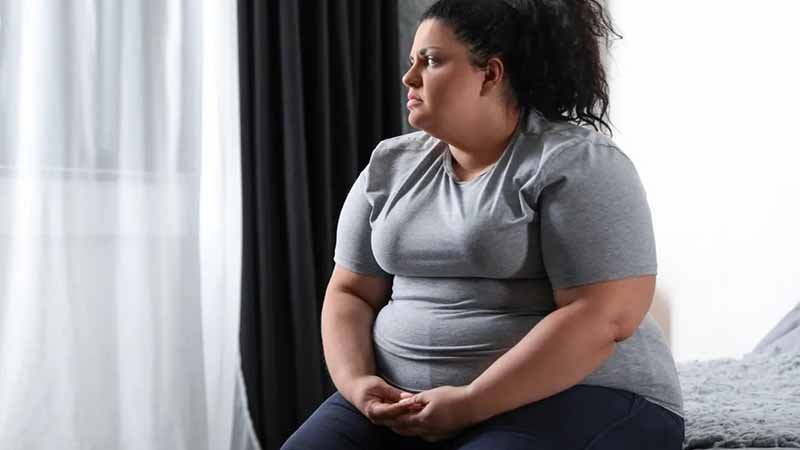

A new study has revealed that delaying marriage significantly reduces the risk of obesity among Pakistani women, particularly those living in urban areas.
While previous research has shown that men and women often gain weight after marriage—sometimes even facing obesity directly linked to marital lifestyle—the latest findings highlight how marriage timing plays a critical role in women’s health.
The study, published in a medical journal, analyzed data from the Pakistan Demographic and Health Survey (2012–13 and 2017–18). It reported that more than half of adult women in Pakistan are overweight or obese, but postponing marriage substantially lowers this risk, especially for women in cities.
Experts note that marrying young increases the likelihood of obesity, as many women face social and family pressure to conceive early. Limited access to education, restricted health knowledge, and reduced decision-making power at home further contribute to unhealthy weight gain.
Conducted by the University of York, the research found that urban lifestyles, coupled with entrenched gender norms, have accelerated obesity rates.
However, delaying marriage offers women opportunities to pursue education and access health information, enabling healthier choices and stronger awareness about nutrition.
Another important finding was the impact of spousal age gaps. Delayed marriages often result in smaller age differences between partners, giving women more influence in household decisions, including control over diet.
Researchers emphasized that such empowerment not only protects women from obesity but also improves the health of their children.
Despite these benefits, the study noted that nearly 40 percent of Pakistani women still marry before the age of 18. For urban women, each additional year of delaying marriage reduced the risk of obesity by 0.7 percent, with the strongest protective effect seen among those marrying at age 23 or later.
