

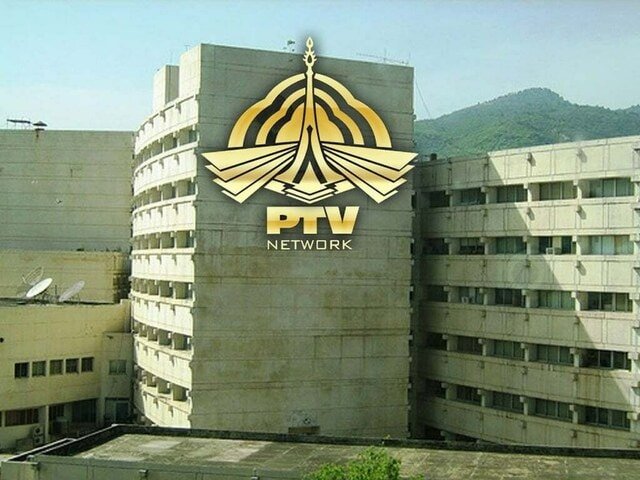

Pakistan Television (PTV) on Wednesday officially launched its new English-language digital news channel, PTV Digital, designed to project Pakistan’s perspective to global audiences and counter hostile or misleading narratives about the country.
Prime Minister Shehbaz Sharif inaugurated the channel by unveiling a plaque at a ceremony attended by Information Minister Attaullah Tarar, Information Secretary Ambreen Jan, and senior officials.
The launch marks PTV’s expanded push into the digital space, aiming to reach international viewers with Pakistan’s voice on regional and global developments.
During the inauguration, the prime minister toured the new channel’s sections, interacted with young media professionals, and commended their enthusiasm. He emphasized that their role would be crucial in “the battle of narratives against external propaganda” and praised their energy and passion as a source of inspiration.
Shehbaz highlighted that the channel’s core objective was to provide credible and authentic news while effectively countering misrepresentation and misinformation about Pakistan.
He also recorded his first interview for the channel, parts of which were broadcast later. Sharing his vision for Pakistan’s future, the premier expressed hope to see the nation standing tall over the next decade with economic growth, peace, and prosperity.
Information Minister Attaullah Tarar, while briefing the prime minister, said PTV Digital would serve as a credible and proactive voice for Pakistan in the international arena. He added that the English-language platform would focus on global affairs, economic developments, cultural insights, and in-depth analyses.
According to Tarar, the channel would blend in-house reporting with contributions from a global network of freelancers and partnerships with leading international news agencies like Reuters and the Associated Press (AP), ensuring real-time and verified coverage.
The minister stressed that the initiative’s strategic goal was to deliver Pakistan’s narrative first, rather than allowing it to be defined by others, particularly in the face of one-sided portrayals in Western and Indian media.
