

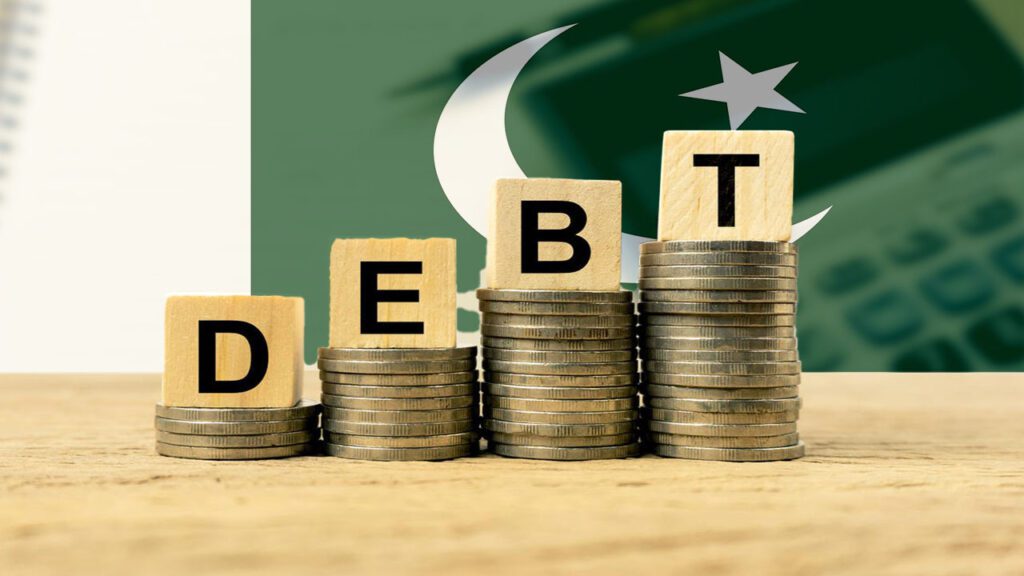

Pakistan has achieved a historic milestone by repaying Rs2.6 trillion of debt ahead of schedule, according to the Ministry of Finance. This marks the first time in the country’s history that such a significant early repayment has been made. Officials highlight that the move strengthens debt sustainability and improves overall financial stability.
Early Debt Repayment and Cost Savings
Finance Ministry officials confirmed that improved debt management strategies, combined with declining interest rates, played a crucial role in reducing borrowing costs. As a result, Pakistan saved Rs850 billion in interest payments during the current fiscal year.
For the fiscal year, the government allocated Rs8.2 trillion for interest payments. This is a significant reduction compared to Rs9.8 trillion in the previous year, reflecting progress in fiscal discipline.
Debt-to-GDP Ratio Sees Improvement
The ministry also reported an improvement in Pakistan’s debt-to-GDP ratio. In 2022, the ratio stood at 74 percent, but by 2025 it had declined to 70 percent. This reduction highlights lower refinancing and rollover risks, providing greater confidence in the country’s financial position.
The fiscal deficit also narrowed. It fell to Rs7.1 trillion from Rs7.7 trillion, bringing the deficit-to-GDP ratio down from 7.3 percent to 6.2 percent.
Primary Surplus Strengthens Outlook
Pakistan maintained a primary surplus of Rs1.8 trillion for the second consecutive year, a significant achievement given past fiscal challenges. The annual debt growth rate also slowed, dropping from 17 percent last year to 13 percent this year.
Officials further pointed out that the average maturity of public debt increased from 4 years to 4.5 years. Domestic debt maturity also improved, rising from 2.7 years to 3.8 years. These changes reduce repayment pressure and strengthen long-term debt sustainability.
Current Account Surplus After 14 Years
For the first time in 14 years, Pakistan recorded a current account surplus of $2 billion. This development reflects an improved balance of payments and provides a stronger foundation for external stability.
The ministry explained that while external debt rose slightly, the increase was largely due to IMF and Saudi Oil Fund facilities. Additionally, Rs800 billion of the rise was linked to rupee depreciation rather than fresh borrowing.
Outlook for Fiscal Stability
Authorities believe that consistent fiscal discipline and effective debt management strategies will continue to support economic recovery. The combination of early repayments, lower interest costs, and stronger external balances places Pakistan in a more stable financial position.
Looking ahead, the government aims to build on these gains by pursuing structural reforms, boosting exports, and maintaining prudent borrowing practices. Sustained improvements in fiscal and external indicators are expected to ease investor concerns and strengthen economic resilience.
