

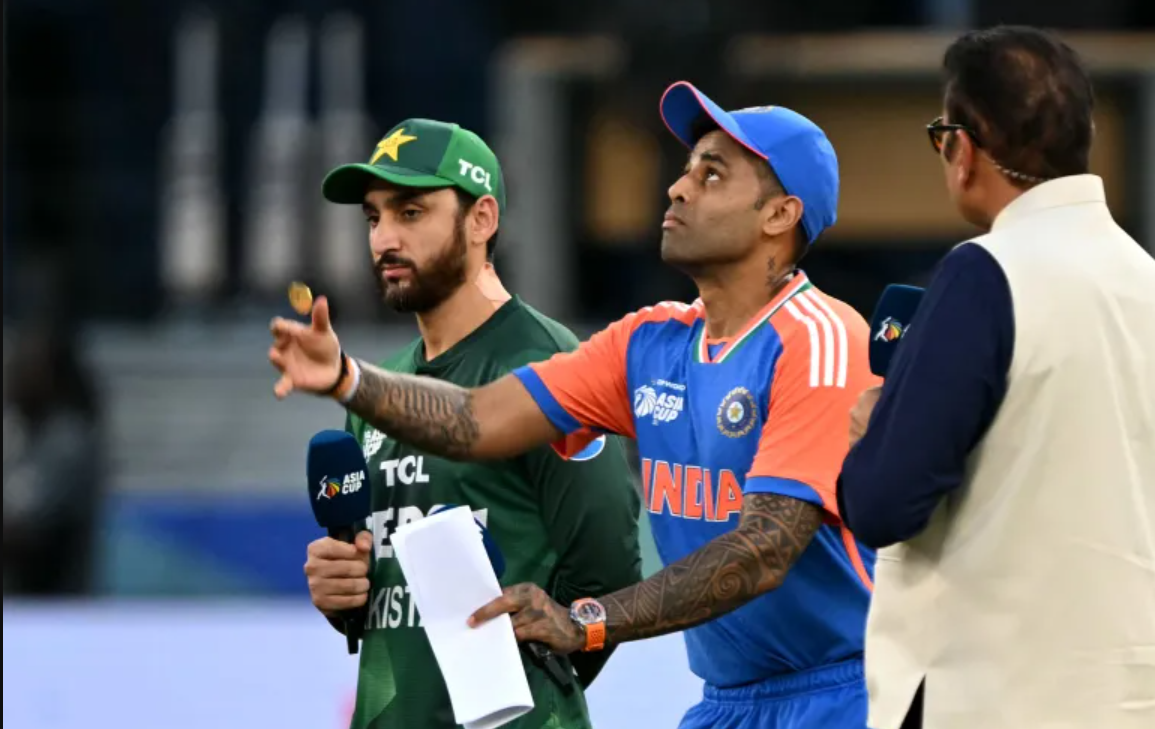

The Asia Cup 2025 match between Pakistan and India has sparked major controversy, not for the cricket itself but for what happened after the game. India’s refusal to shake hands with Pakistan’s players has drawn sharp criticism, raising concerns about sportsmanship and the politicization of cricket.
During the coin toss, Indian captain Suryakumar Yadav reportedly declined to shake hands with Pakistan’s skipper Salman Ali Agha. That initial gesture set a tense tone for the clash. After India comfortably chased Pakistan’s modest total of 127, the incident escalated further. Instead of following cricket’s long-standing tradition of post-match handshakes, Yadav and his teammates ignored Pakistan’s players and walked straight to the dressing room. The only handshakes exchanged were among Indian teammates themselves.
Pakistan’s players, despite their loss, waited respectfully for the customary handshake before leaving the field. This contrast highlighted the sportsmanship gap that fans and analysts worldwide have since been debating.
Asian Cricket Council (ACC) President and Pakistan Cricket Board (PCB) Chairman Mohsin Naqvi condemned the gesture, calling it a direct snub and against the spirit of cricket. He stressed that bringing politics into sport undermines the gentleman’s game.
Former Pakistan cricketers also voiced their disappointment. Shoaib Akhtar reminded both teams that competition should remain fierce on the field but respectful afterward. Mohammad Hafeez expressed his dismay by posting the word “Sportsmanship” with a broken-heart emoji.
Others joined the chorus of criticism. TV host Fakhar-e-Alam emphasized that political tensions must remain outside the cricket ground. Former minister Fawad Chaudhry mocked India’s conduct, calling it a “psychological meltdown” and sarcastically suggesting a global rehab plan with Pakistan’s leadership.
Fans were equally vocal on social media platforms. Many described India’s refusal as “petty” and accused the team of undermining cricketing traditions. They argued that Pakistan emerged with a moral victory despite the scoreboard, simply by upholding dignity and courtesy.
The situation grew more controversial when Yadav referenced the recent Pahalgam attack in his post-match remarks. Critics argued that this comment further politicized the game, overshadowing India’s victory and turning a sporting contest into a political statement.
Commentators stress that cricket should serve as a unifying force, not as an extension of political disputes. Gestures like post-match handshakes are simple but powerful symbols of respect. The Asia Cup incident has therefore reignited calls for sportsmanship to remain at the heart of the game.
India may have secured the points, but Pakistan’s graceful conduct has been widely praised as the real win for cricket’s spirit. Moving forward, many hope both teams will keep politics off the pitch and preserve cricket’s role as a bridge between nations.
