

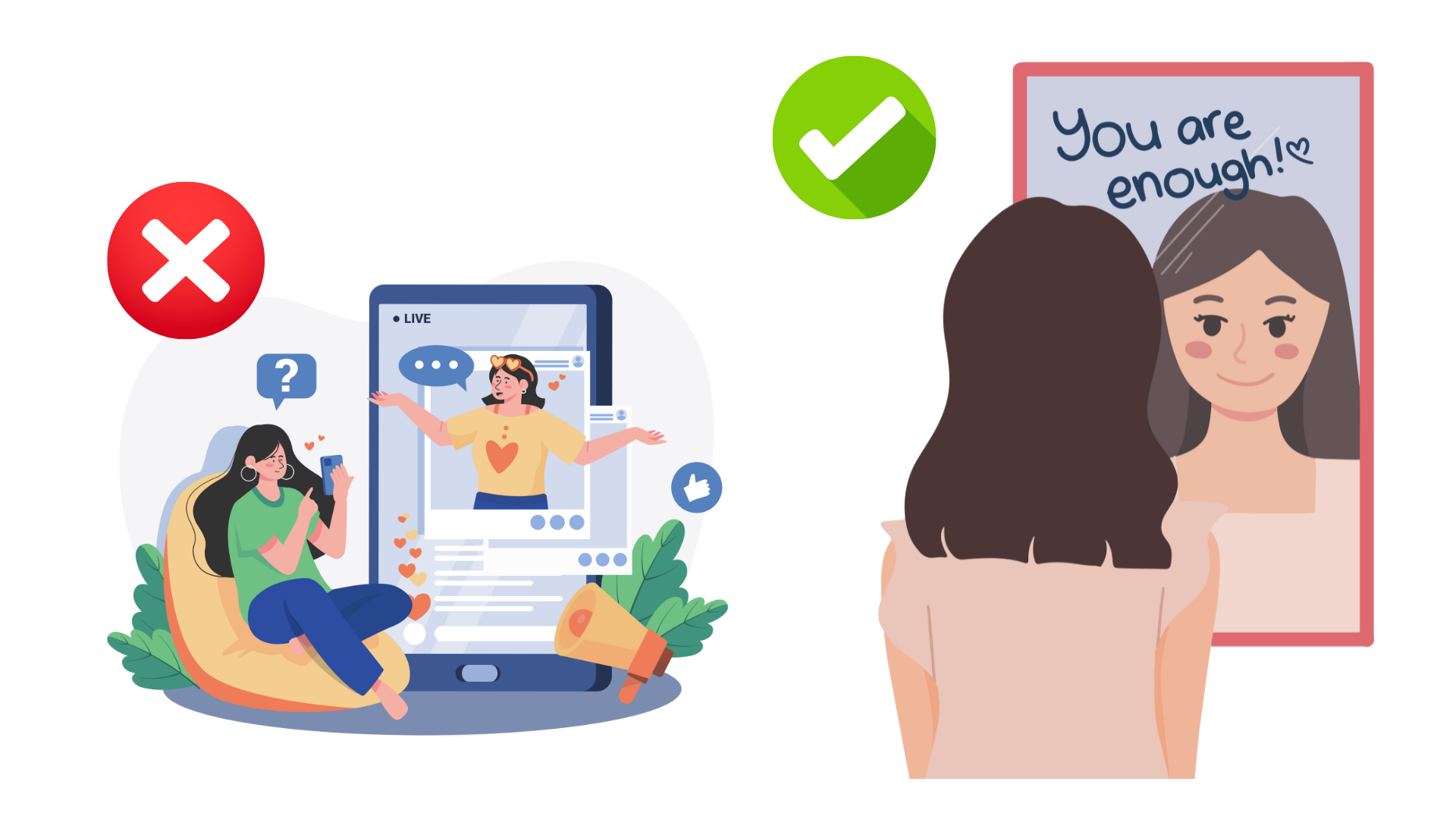

When disturbing videos go viral, such as the recent fatal shooting of Charlie Kirk, it can feel impossible to avoid seeing content you never intended to watch. Yet there are ways to protect your mental peace and reclaim control over what reaches you online.
Social media platforms are built to maximize engagement, not to safeguard your well-being. With content moderation efforts reduced in recent years, harmful material can easily surface in your feed.
However, protecting your mental health is not about denial; it is about preserving the emotional resources you need to remain compassionate and effective.
Research shows that repeated exposure to violent or graphic media can cause stress, anxiety, and helplessness. Over time, it erodes the energy you need for self-care and meaningful action.
Protecting your attention is therefore a form of care. Just as you would not eat spoiled food simply because it was served, not all media in your feed deserves your focus.
While you cannot always control what appears online, deliberate steps can help filter harmful content. First, disable autoplay or adjust sensitive content settings to prevent shocking videos from playing unexpectedly.
Second, apply keyword filters to mute or block words, hashtags, or phrases that often appear in graphic posts. Third, curate your feed by unfollowing accounts that repeatedly share disturbing content and following those that provide value, connection, or joy. Finally, set boundaries by scheduling phone-free times — research shows such breaks reduce stress and improve overall well-being.
Social media algorithms thrive on capturing attention, even at the cost of your peace of mind. Looking away from harmful content is not neglect; it is self-preservation. By setting boundaries and curating what you consume, you reclaim your agency and protect the clarity needed to act with purpose.
