

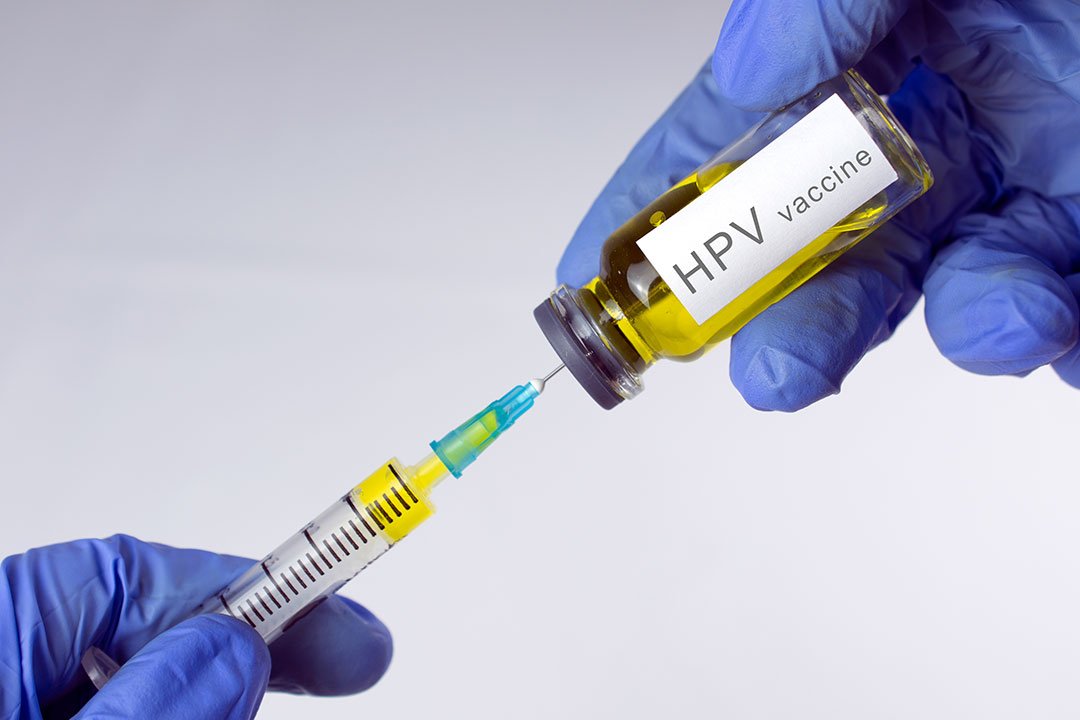

Pakistan Launches First National HPV Vaccination Campaign
In a landmark move for women’s health, Pakistan has initiated its first-ever nationwide HPV vaccination campaign, starting from September 15 to 27, 2025, targeting nearly 13 million girls aged 9 to 14. The campaign spans Punjab, Sindh, Islamabad Capital Territory, and Azad Jammu & Kashmir, and is supported by the World Health Organization (WHO), Gavi, and Pakistan’s federal and provincial health ministries.
The vaccine being administered protects against human papillomavirus (HPV) — the virus responsible for over 95% of cervical cancer cases. With over 3,000 women dying annually from cervical cancer in Pakistan, this initiative is seen as a crucial step toward reducing preventable deaths among women.
The campaign will use a variety of delivery channels, including schools, mobile clinics, hospitals, and community health centers. More than 49,000 health workers have been trained to conduct vaccinations, maintain cold chain logistics, collect data, and raise public awareness.
Health officials have confirmed that the vaccine will be free of cost, and parents are being encouraged to have their daughters vaccinated, especially those who are out of school. The rollout will expand to other provinces including Khyber Pakhtunkhwa in 2026, and Balochistan and Gilgit-Baltistan in 2027.
Global Momentum: Lower Costs, Higher Impact
Internationally, HPV vaccination is proving highly effective. In the United States, the CDC reported an 80% drop in cervical precancerous lesions among women aged 20–24 between 2008 and 2022. This decline is attributed to early vaccination efforts that began over a decade ago.
India has also made headlines by rolling out its first locally produced HPV vaccine, Cervavac, developed by the Serum Institute of India. Priced significantly lower than imported alternatives, it’s expected to increase vaccine access in lower-income regions and is now included in India’s national immunisation programme.
Moreover, ongoing research is exploring how therapeutic HPV vaccines, when paired with immune-modulating drugs like IL-23 inhibitors, could help treat existing HPV-linked cancers — not just prevent them.
With WHO aiming to eliminate cervical cancer globally by 2120, these advancements in both preventive and therapeutic HPV vaccine strategies are seen as key components in achieving that goal.
