

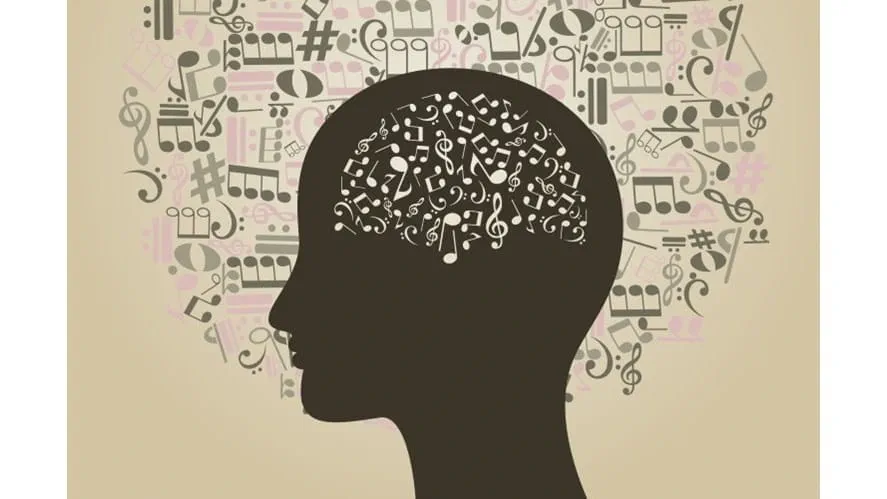

A new international study has revealed that playing musical instruments may help protect the brain from aging, enabling older adults to process speech and sounds more efficiently than their non-musical peers.
The research, conducted by scientists in Canada and China, found that elderly individuals with years of experience playing instruments demonstrated an ability to understand speech in noisy environments. Remarkably, their brain activity resembled that of younger adults, requiring less effort to focus and concentrate.
According to the study, musical training builds a “cognitive reserve” — a backup system in the brain that preserves efficiency as people age. This reserve strengthens neural pathways, making the brain more resilient against the natural decline associated with aging.
“Even in later years, the brains of musicians show youthful characteristics,” the researchers observed, emphasizing how ongoing musical activity helps maintain mental agility.
The findings also highlighted how playing an instrument strengthens connections between brain regions responsible for hearing, speech, and movement. This integration allows musicians to more easily distinguish sounds and conversations in complex or noisy environments. By contrast, older adults without musical training required far more mental energy to filter and focus on speech.
The results challenge the long-standing belief that aging inevitably slows the brain’s ability to process sounds. Instead, the study suggests that engaging in music offers a powerful form of mental exercise.
“Musical activity is not just an art form — it is a workout for the brain,” one of the lead scientists explained.
The research adds to growing evidence that music can play a vital role in maintaining cognitive health. Beyond its cultural and emotional value, learning or continuing to play an instrument may help protect the brain from the effects of aging, keeping minds sharper and more resilient for longer.
