

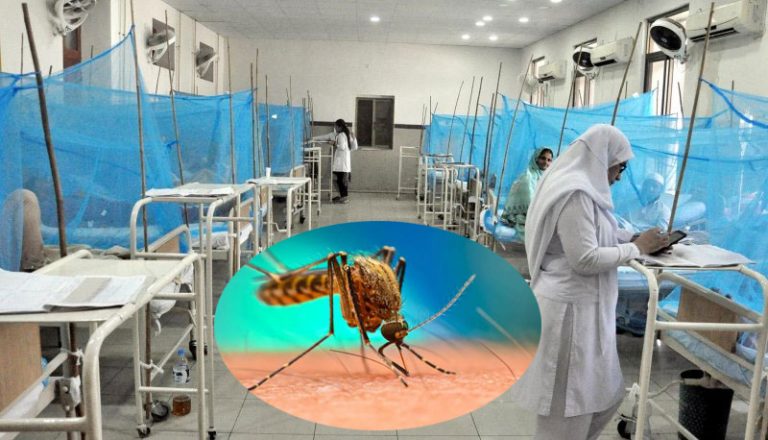

17 New Infections Reported in a Single Day
Rawalpindi’s struggle against dengue fever intensified on Friday as 17 new cases were reported within 24 hours, pushing the city’s total to 286 confirmed infections since July. The continued rise in cases has raised concerns over the effectiveness of the preventive measures taken by the health authorities.
According to health department sources, 26 patients are currently under treatment in various hospitals across the city. While no deaths have been reported so far, the steady increase in new cases suggests that the dengue virus is spreading faster than previously anticipated.
Health officials acknowledge the situation is worrying but maintain that efforts are ongoing to contain the outbreak. However, the emergence of new infections almost daily indicates a need for more aggressive intervention and public awareness.
Health Department Under Scrutiny Amid Inadequate Response
Public health experts and citizens alike have criticized the local administration for what they describe as a lackluster response to the growing crisis. Despite repeated claims that preparations were in place, the current data points to gaps in mosquito control, sanitation, and public education.
A few weeks ago, officials confirmed the discovery of dengue larvae at multiple sites throughout Rawalpindi. Although fumigation and larvicidal activities were promised, the surge in cases suggests that either these efforts were insufficient or not properly implemented.
Authorities now face increasing pressure to step up surveillance, conduct targeted fumigation in high-risk areas, and engage communities in dengue prevention. Special emphasis is being placed on removing standing water and improving waste disposal systems to eliminate breeding grounds for the Aedes mosquito—the primary vector for dengue transmission.
With the monsoon season still ongoing, health experts warn that the coming weeks could see further spikes in infections if urgent and coordinated action is not taken.
